
The Beginning: One Story, One Camera, One Vision
Every movement has an origin story.
For TCIM INITIATIVES, that story began in 2018—not inside a conference hall, a classroom, or an office, but through a simple realization that would later become the foundation of an entire movement.
Many young people struggle to recognize how much they have grown. They become so focused on their present challenges that they fail to appreciate the progress they have already made. This often leads to self-doubt, low confidence, hopelessness, and limiting beliefs about their future.
Inspired by this observation, TCIM was launched under its original name, The Camera Is Me (TCIM), as a creative self-awareness campaign on Instagram.
Participants were invited to combine an old photograph with a recent one and reflect on the journey between those two moments.
At first glance, it looked like a simple photo challenge.
In reality, it was something much deeper.
The exercise encouraged participants to pause, reflect, and recognize personal growth that often goes unnoticed. It reminded them that while they may not feel different every day, comparing who they were with who they had become often revealed resilience, maturity, healing, and progress.
Without realizing it at the time, TCIM had introduced its first identity intervention.
It was the earliest expression of a philosophy that would later evolve into the Narrative Identity Transformation (NIT) Model—the belief that changing the meaning people assign to their life experiences can transform identity, influence behaviour, and reshape the future.
This simple digital campaign marked the beginning of a movement that would eventually influence thousands of young lives.
From Social Media to Real-Life Conversations
The impact of the campaign soon extended beyond social media.
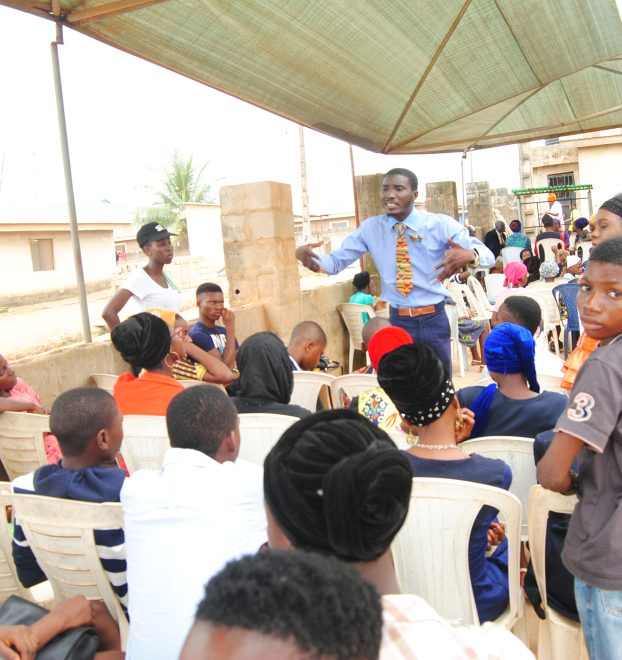
Long before TCIM began visiting schools, its founder, Joseph Adeleke, was already engaging teenagers in conversations about identity, purpose, and personal growth.
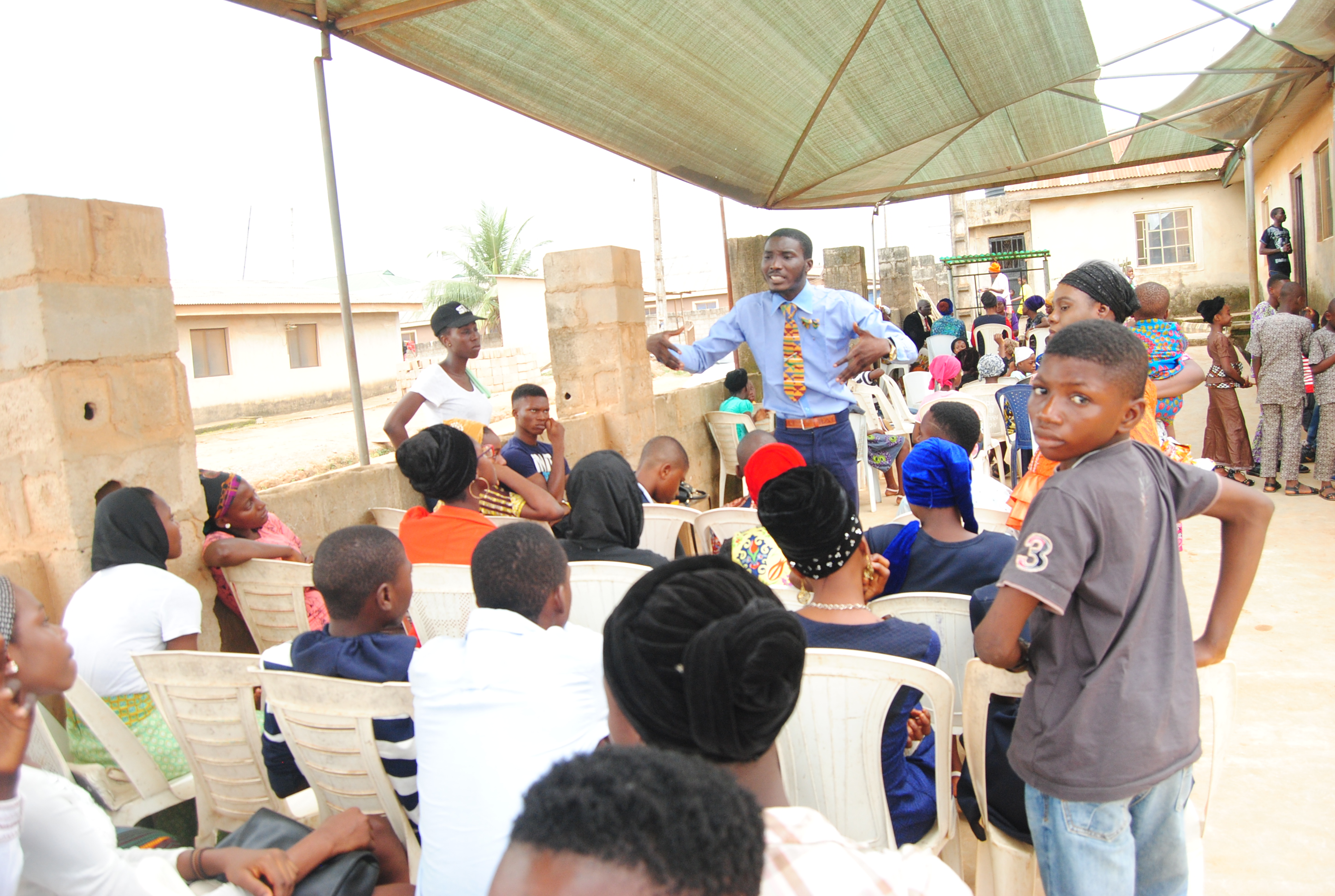
Before relocating to Abia State for the National Youth Service Corps (NYSC), Joseph was invited by his youth leader in Lagos, the late Pastor Moses, to speak to teenagers at Deeper Life Bible Church, Lagos.
Standing before young people from different backgrounds, he shared personal stories, life experiences, and practical lessons that challenged them to question the limiting narratives they had accepted about themselves.
Instead of focusing only on motivation, the sessions encouraged teenagers to examine how their beliefs influenced their decisions, relationships, confidence, and aspirations.
For many of those present, it was their first introduction to the idea that changing the story they believed about themselves could change the direction of their lives.
Later that same year, while serving in Abia State, Joseph continued this work by speaking at Deeper Life Bible Church, Abia State.
Although separated by hundreds of kilometres, the conversations carried the same message:
Your past does not have to define your future.
These church engagements became the first real-world testing ground for ideas that would later become central to the Narrative Identity Transformation (NIT) Model.
They demonstrated something remarkable:
Young people responded differently when they were invited to reflect on their personal stories instead of simply being told what to do.
Rather than receiving instructions, they were discovering themselves.
Rather than hearing another motivational speech, they were beginning to reinterpret their own experiences.
Those early conversations planted seeds that would continue to grow over the years.
The Birth of a New Philosophy
Although the Narrative Identity Transformation (NIT) Model had not yet been formally developed, 2018 established its core principles.
TCIM observed that identity is not merely shaped by circumstances.
It is shaped by the stories people construct about those circumstances.
Two teenagers may experience similar challenges, yet develop completely different futures because they interpret those experiences differently.
This insight would eventually become the intellectual foundation upon which every TCIM programme, conference, workshop, curriculum, and research initiative would be built.
From the very beginning, TCIM was never just about organising events.
It was about helping young people change the internal conversations that determine how they see themselves and what they believe is possible.
That mission remains unchanged today.
Our Gallery



2018 Impact Snapshot
Key Milestones
- TCIM officially launched as The Camera Is Me (TCIM).
- Introduced a storytelling-based digital self-awareness campaign on Instagram.
- Expanded beyond social media into youth development speaking engagements.
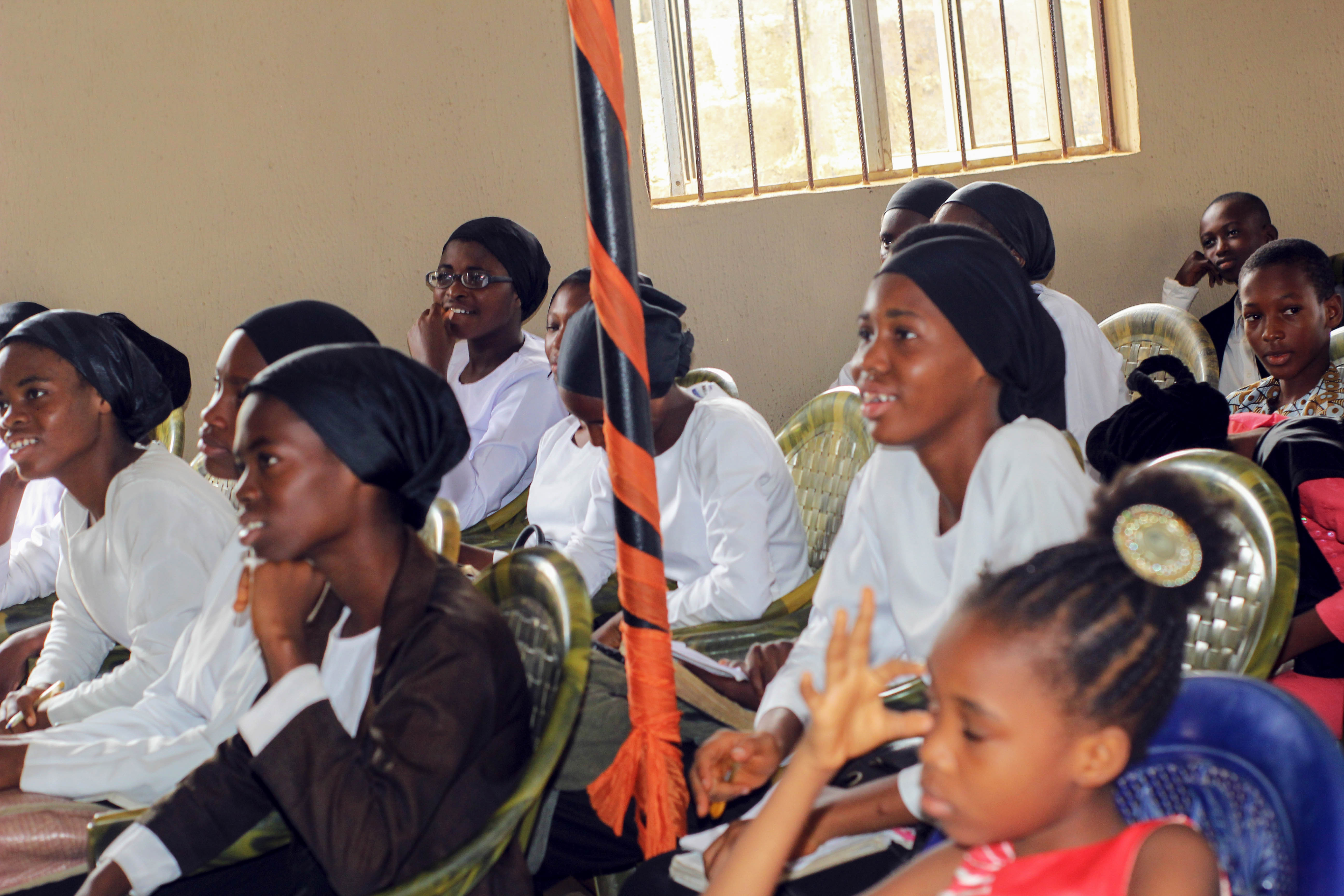
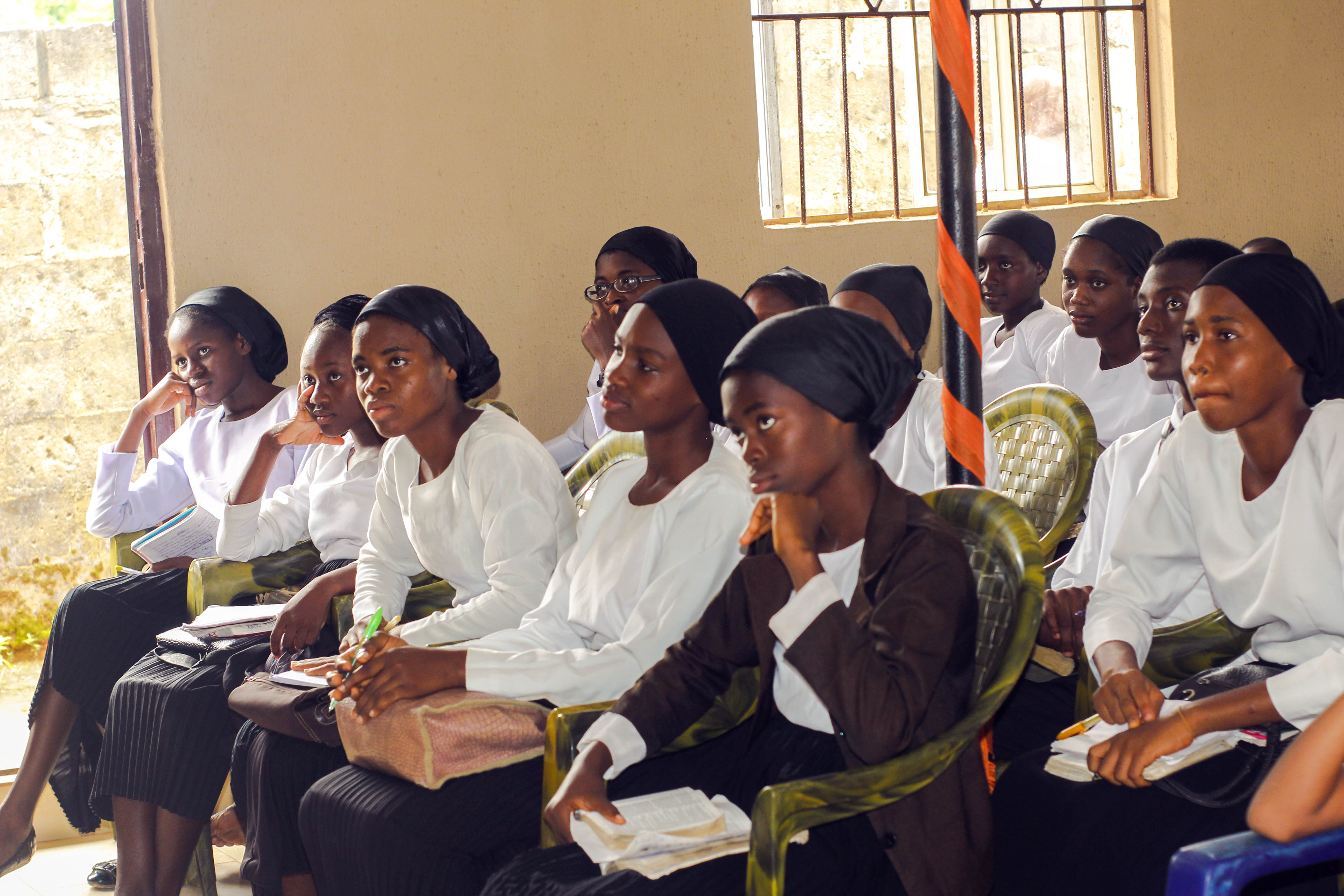
- Conducted identity and purpose seminars for teenagers in Lagos and Abia State, reaching more than 200 teenagers