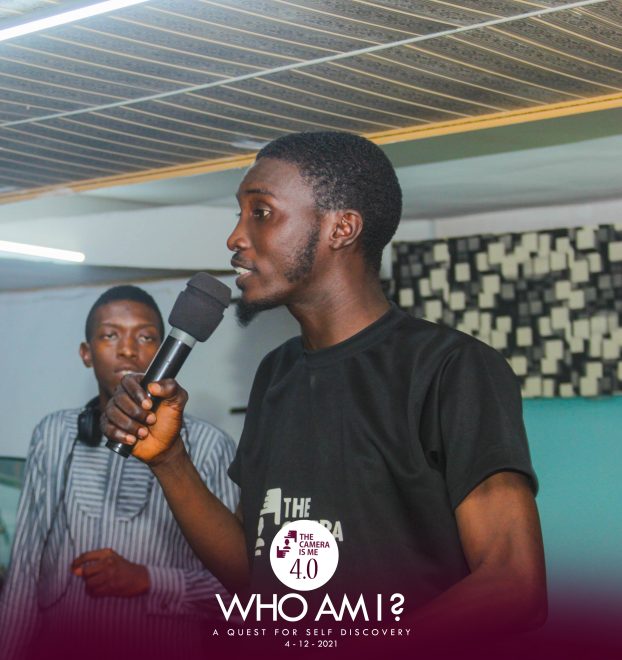

Discovering Identity: Helping Teenagers Answer Life's Most Important Question
By 2021, TCIM INITIATIVES had grown beyond being a youth conference. It had become a movement that was helping young people challenge limiting beliefs, rediscover their identity, and make intentional decisions about their future.
Over the previous three years, one observation had become increasingly clear.
Many of the challenges facing teenagers—low self-esteem, peer pressure, poor academic motivation, social anxiety, unhealthy relationships, and lack of direction—were not simply behavioural problems. Beneath them often lay a deeper issue: identity confusion.
Many young people did not truly know who they were.
They defined themselves by their academic performance, family background, social media influence, peer opinions, or past mistakes. Others carried labels that had been placed upon them by society, teachers, parents, or friends, gradually allowing those labels to shape the story they believed about themselves.
TCIM recognized that before teenagers could confidently pursue purpose, leadership, or success, they first needed to answer one foundational question:
“Who am I?”
That question became the inspiration for the 4th Edition of the TCIM Annual Conference.
The Fourth Edition Conference "Who Am I"
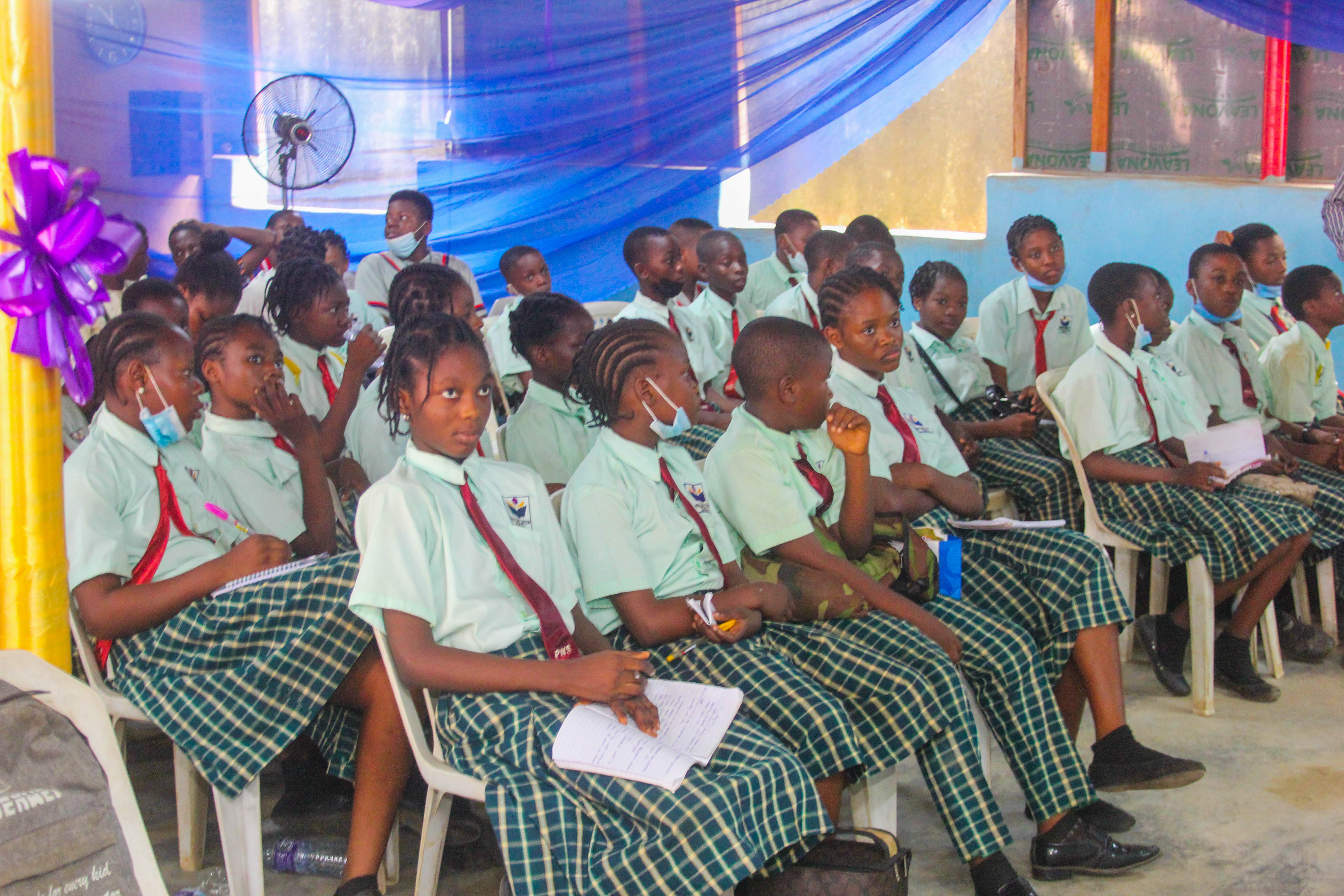
Held on 4th December 2021, the conference centered on one of the most defining conversations in adolescent development.
The theme, “Who Am I,” invited teenagers to look beyond external achievements and begin exploring the deeper foundations of identity.
Throughout the event, participants were encouraged to understand that identity is not determined by popularity, appearance, background, or circumstances. Instead, they were challenged to develop a healthier understanding of themselves—one built on purpose, character, values, and personal responsibility.
For TCIM, this represented another important step in its evolving philosophy.
The organization had spent previous years helping teenagers reinterpret life experiences.
Now it was helping them understand the identity that emerges from those experiences.
This shift brought TCIM even closer to the Narrative Identity Transformation (NIT) Model
Learning from Global and National Voices
One of the defining features of the 2021 conference was the diversity and credibility of its speakers. Recognizing that identity development benefits from different perspectives, TCIM brought together professionals from both Nigeria and the international community to inspire, educate, and mentor participating teenagers.
Among the keynote speakers was Pearlette Cassells, a respected Productive Coach from Canada.
Drawing from her experience working with people, she challenged participants to develop healthy self-esteem, recognize their intrinsic value, and intentionally build positive self-images that would guide future decisions.
Her international perspective demonstrated that the struggles surrounding adolescent identity are universal and that intentional character development remains essential regardless of culture or geography.
Joining her was Amina Ndim, a veteran Nollywood actress whose personal and professional journey offered teenagers practical lessons about resilience, confidence, perseverance, and purpose.
By sharing authentic experiences from the creative industry, she encouraged participants to embrace their uniqueness rather than compare themselves with others.
Alongside these distinguished guests, other facilitators contributed practical insights on identity formation, leadership, personal growth, and purpose, creating an environment where teenagers could openly reflect on the kind of people they wanted to become.
Their participation reflected TCIM’s commitment to exposing young people to accomplished professionals whose lives reinforced the values being taught throughout the conference.
Taking the Conversation into Schools
While the annual conference remained an important platform, TCIM understood that sustainable transformation required consistent engagement within schools.
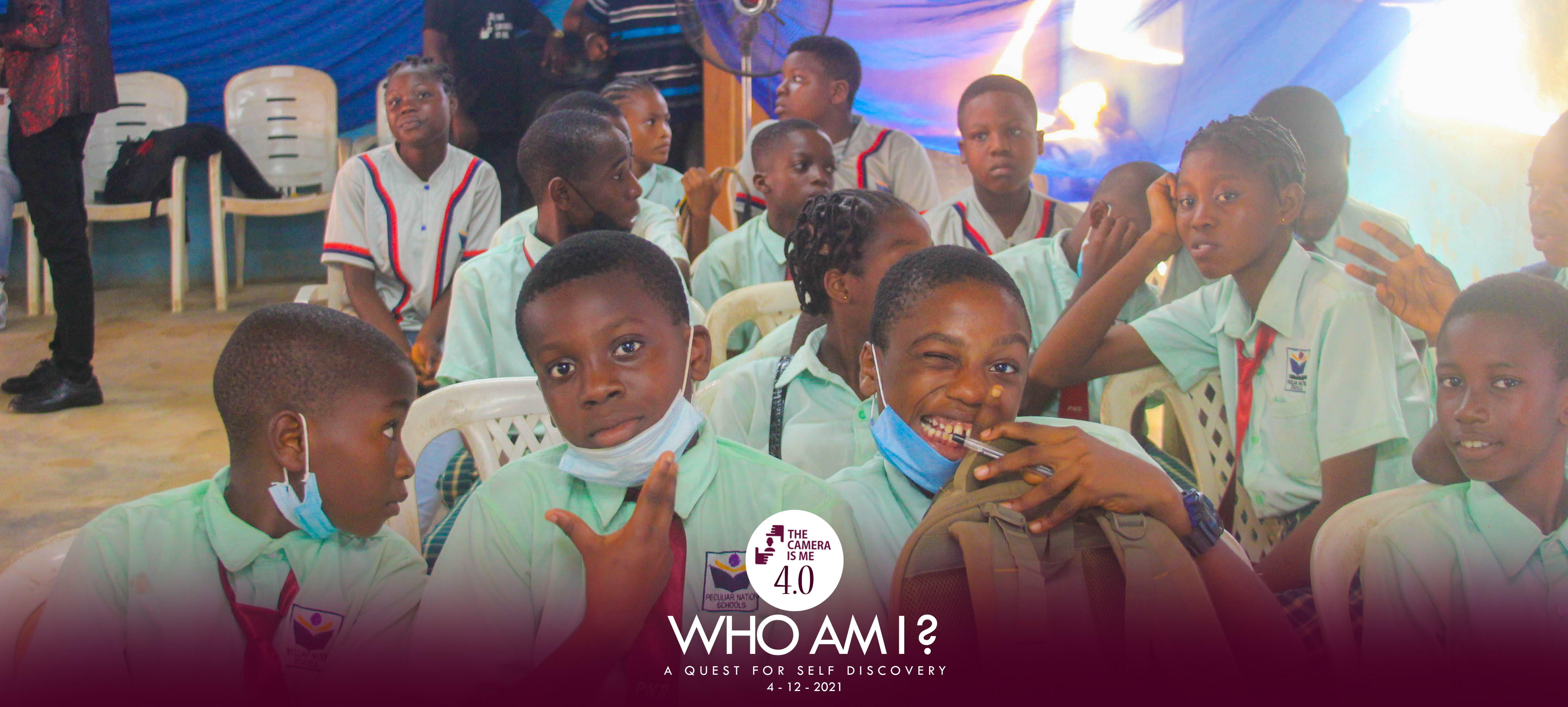
Earlier in 2021, the organization expanded its school outreach programme, visiting more than 15 secondary schools and directly engaging over 500 students through structured storytelling and personal development workshops.
Unlike one-time motivational sessions, these workshops encouraged active participation.
Students reflected on their personal experiences, discussed challenges affecting teenagers, explored decision-making processes, and learned how personal narratives influence confidence, behaviour, relationships, and future aspirations.
Teachers and school administrators also observed how storytelling encouraged greater student participation, emotional openness, and thoughtful reflection.
These school engagements further strengthened TCIM’s conviction that narrative-based education could become a practical methodology for identity development within educational settings.
Every school visited became another opportunity to refine and validate principles that would later form part of the Narrative Identity Transformation (NIT) Model.
Creativity Meets Identity
True to TCIM’s philosophy, the conference combined education with creative expression.
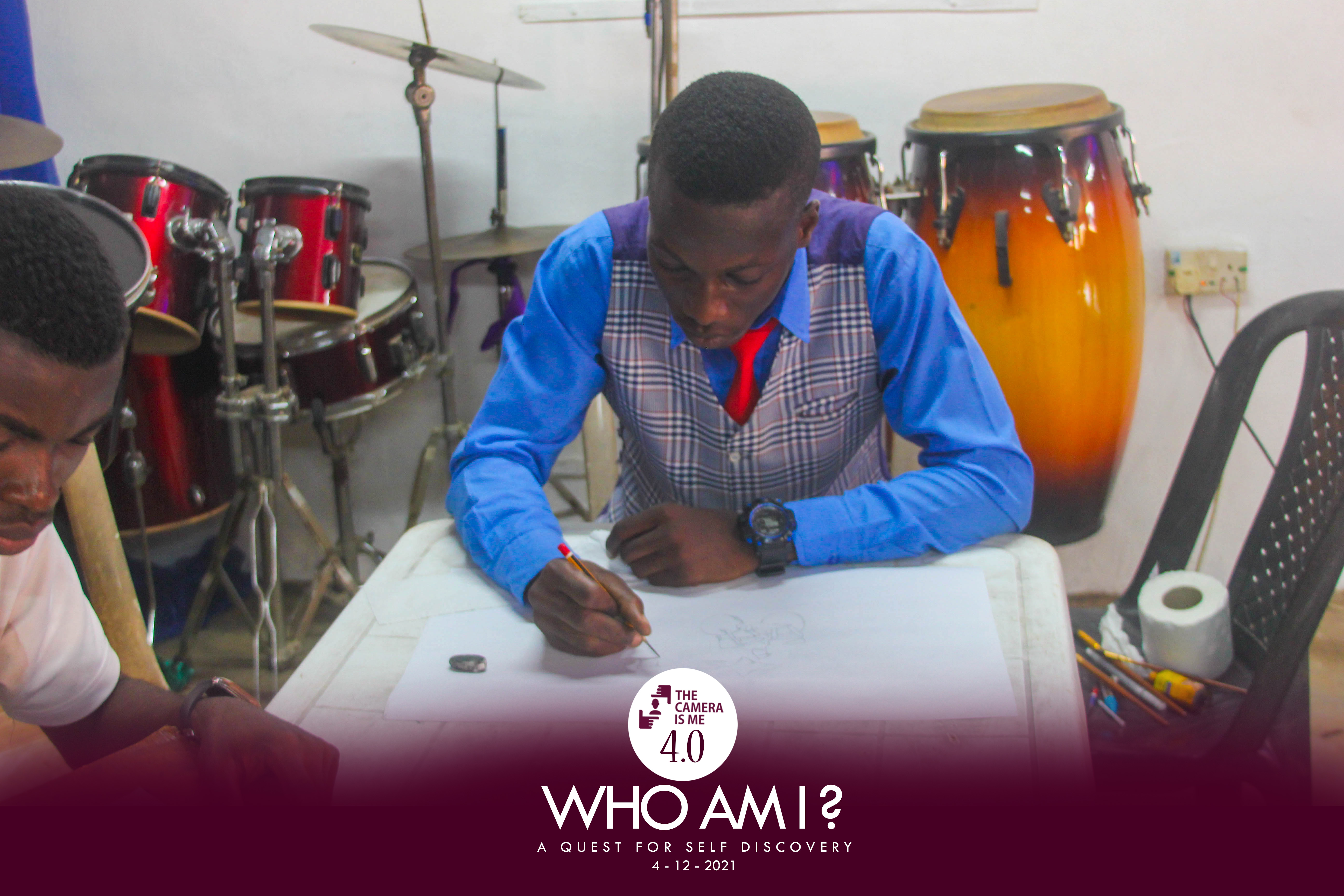
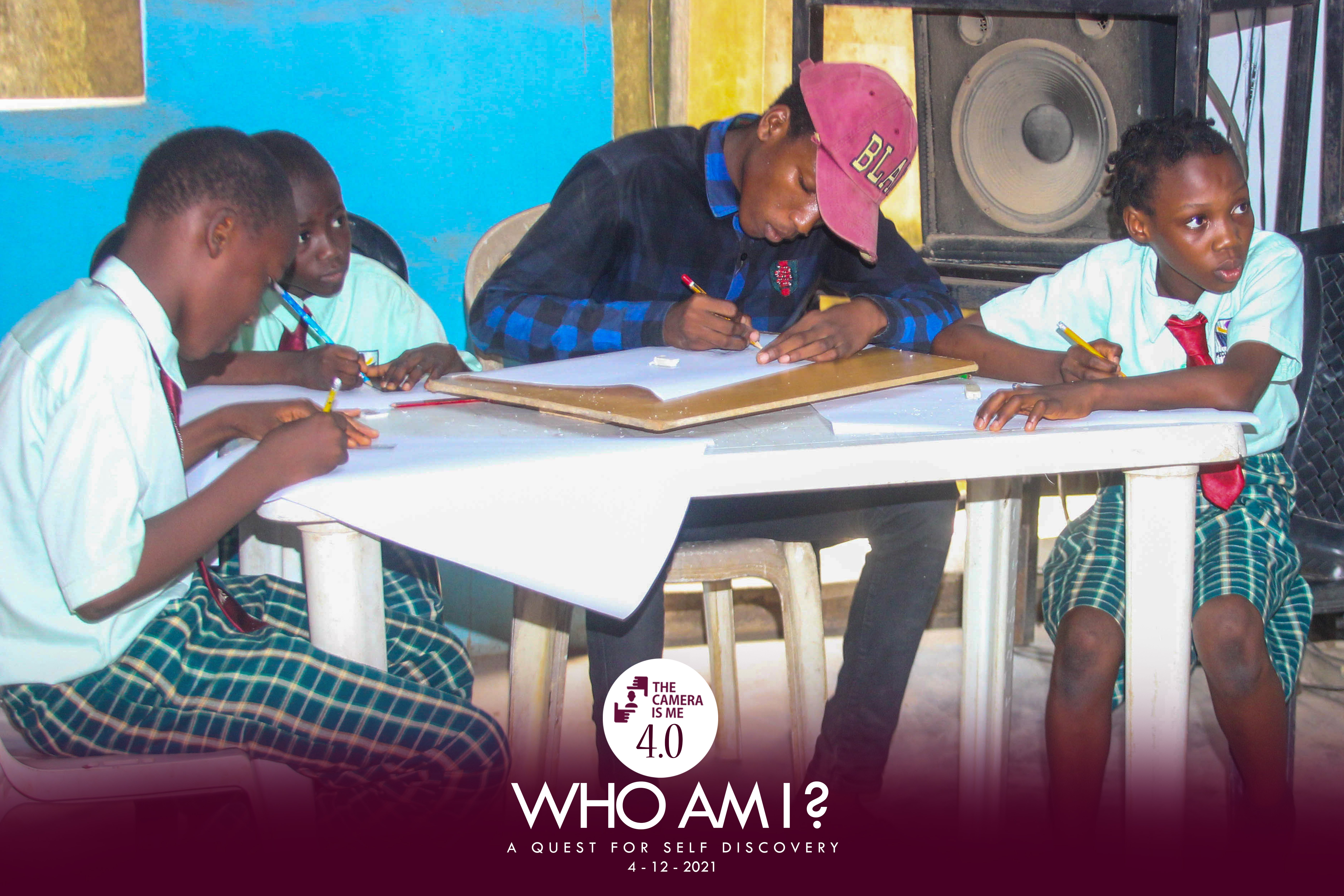
Teenagers competed across four creative categories:
- Music
- Story Writing
- Acting
- Portrait Sketching
Each competition challenged participants not only to demonstrate talent but also to communicate meaningful stories through creative expression.
Whether writing, performing, singing, or creating visual art, participants explored themes of identity, resilience, hope, and purpose.
To recognize excellence and encourage continued creativity, TCIM awarded a total of ₦200,000 in cash prizes across the competition categories.
More importantly, the competitions reinforced an important principle:
Creativity allows young people to discover their voice, and discovering one’s voice is an important step toward discovering one’s identity.
Strengthening the Narrative Identity Transformation (NIT) Model
Looking back, 2021 represented a turning point in TCIM’s intellectual development.
Previous years had demonstrated that storytelling could influence self-awareness.
This year demonstrated something even deeper.
Identity itself could become the focus of educational intervention.
Through school workshops, keynote sessions, mentorship conversations, and creative activities, TCIM observed that teenagers who gained greater clarity about their identity also demonstrated increased confidence, stronger decision-making, greater resilience, and healthier aspirations.
The organization was no longer asking whether storytelling could influence young people.
It was now exploring how storytelling systematically shapes identity.
This distinction would later define TCIM’s research, curriculum, and educational philosophy.
A Growing Movement
By the end of 2021, TCIM had become far more than an annual conference.
It had become a growing educational movement connecting schools, educators, parents, creatives, international speakers, and youth development professionals around one shared vision:
Helping young people discover who they are before the world tells them who they should be.
That vision continues to guide TCIM today.
Our Gallery

2021 Impact Snapshot
School Engagement
- Visited 15+ secondary schools.
- Reached 500+ studentsthrough storytelling and identity development workshops.
- Expanded grassroots engagement across schools, strengthening TCIM’s educational reach.


2021 Impact Snapshot
Conference Impact
- Successfully hosted the 4th Annual TCIM Conference.
- 150+ teenagersparticipated in the conference.
- Created a safe learning environment where young people explored identity, confidence, purpose, and self-worth.
2021 Impact Snapshot
Creative Empowerment
- ₦200,000awarded in creative competition prizes.
- Competitions held in:
- Music
- Story Writing
- Acting
- Portrait Sketching
Used creative expression as a practical tool for self-discovery and confidence buildin