

What Is the TCIM Narrative Identity Transformation Model?
Understanding how the stories we tell about ourselves shape our identity, influence our decisions, and affect the direction of our lives.
Every individual has a story. It is a story shaped by personal experiences, family background, relationships, education, culture, social expectations, and the meaning we attach to the things that happen to us.
For some people, this story communicates possibility: I can learn, I can grow, and I can become better. For others, it may communicate limitation: I am not good enough, I will never succeed, or people like me cannot achieve much.
But what happens when the story a person believes about themselves begins to limit their potential? What happens when a teenager accepts a negative label, a parent unknowingly passes on limiting beliefs, or an educator interprets a student’s behavior without considering the story behind it?
These questions are central to the TCIM Narrative Identity Transformation (NIT) Model, an approach developed by TCIM Initiatives to help individuals become more conscious of the meanings they attach to their life experiences and take greater responsibility for the stories through which they understand themselves and the world around them.

What Is the TCIM Narrative Identity Transformation Model?
The TCIM Narrative Identity Transformation Model is an approach to identity development that focuses on transforming the narratives individuals hold about themselves, their experiences, their abilities, and their future.
Developed by TCIM Initiatives, the model recognizes that identity is influenced not only by what happens to us but also by how we interpret those experiences and incorporate them into our understanding of who we are.
The model seeks to help adolescents and other TCIM target audiences become more aware of their internal narratives, question limiting interpretations, and develop healthier, more constructive ways of understanding their lives.
However, its application extends beyond teenagers. Parents, educators, and society at large also hold narratives that influence how young people are raised, taught, treated, and understood.
A teenager who repeatedly hears that they are irresponsible may eventually begin to see irresponsibility as part of their identity. A student who struggles academically may conclude that they are unintelligent. A young person who experiences rejection may interpret it as evidence that they are unworthy of acceptance.
In each case, an experience or external message can become part of a person’s internal story.
The NIT Model seeks to create opportunities for individuals to examine these narratives, understand how they developed, and consider whether they accurately reflect who they are and who they can become.
At its heart, the model encourages people to become more responsible for the meaning they give to their life stories rather than allowing every experience, label, or opinion to define them.
Understanding Narrative Identity: The Story Behind Who We Are
To understand the NIT Model, it is important to understand the concept of narrative identity.
Narrative identity refers to the evolving story through which people make sense of their lives. It connects past experiences, present circumstances, and imagined futures into an understanding of who they are. This concept was pioneered by Psychologist Dan P MacAdams.
Consider two teenagers who receive the same disappointing examination result.
The first teenager thinks, “I failed this examination because I am not intelligent. There is no point trying again.”
The second thinks, “I did not perform well this time. I need to understand what went wrong and improve how I prepare.”
Both teenagers experienced the same outcome, but they interpreted it differently.
For the first teenager, the experience becomes a statement about personal identity. For the second, it becomes information that can guide future action.
This example illustrates an important distinction: an experience is not always the same thing as the meaning we give it.
Our interpretations can influence our confidence, decisions, relationships, and willingness to pursue opportunities. They are not the only influences on behavior, but they can play an important role in how we respond to life’s challenges.
The NIT Model is interested in this relationship between experience, interpretation, identity, and action.
It asks questions such as:
- What story am I telling myself about this experience?
- Where did this belief about myself come from?
- Is this belief based on evidence, an assumption, or someone else’s opinion?
- Does this narrative help me learn and grow, or does it unnecessarily limit me?
- What other interpretation might be more accurate and constructive?
- What actions can I take based on a healthier understanding of my situation?
These questions encourage reflection rather than automatic acceptance of every thought, label, or conclusion.
Why Does Narrative Identity Transformation Matter During Adolescence?
Adolescence is an important period of identity development. Young people are exploring who they are, where they belong, what they value, and what kind of future they want to pursue.
During this period, messages from parents, peers, teachers, media, and the wider community can influence how teenagers understand themselves.
A comment made in a moment of anger may become a lasting label. Repeated comparisons with siblings or classmates may influence a teenager’s sense of ability. Social rejection may affect how a young person views relationships. An academic difficulty may become a belief that learning is beyond their ability.
These outcomes are not inevitable, and teenagers do not simply absorb every message they encounter. Nevertheless, the meanings they attach to repeated experiences can influence their developing sense of identity.
This is why TCIM Initiatives places emphasis on helping teenagers examine the stories they believe about themselves.
The objective is not to persuade young people that every experience is positive or that they can achieve anything without limitations. Rather, it is to help them distinguish between what happened, what they concluded from it, and what they can reasonably do next.
A teenager can acknowledge a genuine difficulty without making it the entire definition of their identity.
They can recognize a mistake without believing that they are incapable of improvement. They can acknowledge their weaknesses while identifying their strengths and opportunities to learn.
In this way, narrative identity transformation can support self-awareness, resilience, responsible decision-making, and personal development.

The Foundations of the TCIM NIT Model
The TCIM Narrative Identity Transformation Model draws on ideas associated with psychology, narrative approaches to understanding personal experience, positive youth development, and related fields.
It is important to distinguish between these established fields and TCIM’s own approach: the model brings relevant ideas together within TCIM Initiatives’ focus on identity, mindset, and teenage development. Its precise methods and outcomes should be evaluated through systematic research.
1. Psychology and Identity Development
Psychology provides useful ways of understanding how people develop beliefs about themselves, interpret experiences, respond to challenges, and make decisions.
A person’s self-perception can influence what they attempt, how they respond to setbacks, and whether they believe change is possible.
For example, a teenager who sees poor performance as an unchangeable personal weakness may avoid similar challenges. A teenager who understands that skills can develop through learning and practice may be more willing to seek help and try again.
The NIT Model encourages young people to examine their assumptions, reflect on their experiences, and consider alternative explanations for what happens to them.
2. Narrative Approaches and Narrative Therapy
Narrative therapy is an established therapeutic approach that explores the stories people tell about their lives and how those stories affect their understanding of themselves.
One important idea associated with narrative therapy is that a person should not be reduced to a problem or a single description of their behavior.
For example, there is a difference between saying, “I am a failure,” and saying, “I experienced a failure in this particular situation.”
The first statement turns an experience into a broad identity claim. The second recognizes the experience without allowing it to define the whole person.
The NIT Model shares an interest in examining personal narratives and creating space for alternative interpretations.
However, the TCIM NIT Model should not be confused with narrative therapy itself. It is a TCIM-developed identity-development approach informed by related ideas, not automatically a clinical therapy or a replacement for professional mental health support.
3. Positive Youth Development
Positive youth development focuses on recognizing and strengthening the capacities, relationships, opportunities, and resources that help young people thrive.
Rather than viewing teenagers only through their challenges or behavioral difficulties, this perspective recognizes their potential to develop skills, build meaningful relationships, contribute to their communities, and make responsible decisions.
The NIT Model complements this emphasis by encouraging teenagers to see themselves as developing individuals whose futures are not entirely determined by their current circumstances or past mistakes.
It encourages young people to identify their strengths, recognise areas for improvement, and participate actively in shaping their future.
4. Reflection, Language, and Self-Expression
The words people use to describe themselves can reveal the meanings they attach to their experiences.
When a teenager says, “Nobody ever listens to me,” for instance, a useful conversation might explore the experiences behind that belief, whether it applies to every relationship, and how the teenager might communicate their needs more effectively.
Through reflection, writing, storytelling, discussion, and other forms of self-expression, young people can learn to recognized their assumptions and communicate their experiences more clearly.
This is especially relevant to TCIM Initiatives’ educational work, which connects personal development with reading comprehension, written reflection, spoken expression, and classroom discussion.
These activities provide opportunities for students to engage with ideas about identity while also developing their language and communication skills.
How Does Narrative Identity Transformation Work?
The NIT Model can be understood through a practical sequence: recognizing a narrative, examining its origins, evaluating its meaning, developing a more constructive interpretation, and translating that interpretation into action.
Consider a student who believes, “I am not good at anything.”
Step 1: Recognize the narrative.
The student becomes aware of the belief and identifies situations in which it appears.
Step 2: Explore its origins.
The student reflects on whether the belief developed from academic difficulties, comparisons with other students, criticism, rejection, or other experiences.
Step 3: Examine the interpretation.
The student asks whether a few disappointing experiences provide enough evidence to conclude that they have no abilities at all.
Step 4: Develop a more balanced narrative.
Instead of insisting that the student is exceptionally talented at everything, the conversation explores a more realistic alternative: “I have not discovered all my strengths yet, and I can develop skills through practice and support.”
Step 5: Take meaningful action.
The student identifies an area of interest, asks for guidance, practises a skill, or participates in an activity that provides an opportunity to learn.
Step 6: Reflect on the outcome.
The student considers what the experience reveals about their abilities, effort, interests, and next steps.
The purpose is not to replace every negative thought with a positive statement. It is to help the individual develop a more accurate, flexible, and constructive understanding of their experience.
Some narratives may reflect real challenges, including discrimination, inadequate support, or difficult family circumstances. In such cases, transformation may also require practical assistance, changes in the environment, or support from trusted adults and professionals.
A healthier personal narrative should not be used to blame individuals for circumstances beyond their control.
Why Does the Model Include Parents, Educators, and Society?
Teenagers do not develop their identities in isolation.
Their understanding of themselves is influenced by family conversations, classroom experiences, peer relationships, cultural expectations, public messages, and opportunities available within their communities.
This means that helping teenagers examine their narratives is only one part of the broader picture.
Parents and caregivers
Parents can influence how children interpret their abilities, mistakes, emotions, and responsibilities.
Repeatedly describing a child as lazy, troublesome, or incapable may encourage the child to adopt those descriptions. By contrast, addressing specific behavior while preserving the child’s dignity creates room for learning and improvement.
The NIT perspective encourages caregivers to consider the messages they communicate and the beliefs those messages may reinforce.
Educators
Teachers influence more than academic performance. Their expectations, feedback, classroom practices, and relationships with students can affect how learners perceive their abilities and their place in the learning environment.
A student who struggles with a subject needs guidance and honest feedback, not a permanent identity label.
Educators can support healthier identity development by separating behavior from personal worth, recognizing improvement, encouraging reflection, and creating opportunities for students to express themselves.
Society
Society contributes to the stories available to young people about success, intelligence, gender roles, social class, disability, occupation, and belonging.
When public attitudes repeatedly communicate that certain backgrounds or circumstances determine a person’s future, young people may internalize these messages.
Transforming the narratives surrounding teenagers therefore also requires adults and communities to examine the assumptions they hold about young people.
The NIT Model recognizes that meaningful identity development involves both individual reflection and the environments in which people live, learn, and grow.
How Does TCIM Initiatives Apply the NIT Model?
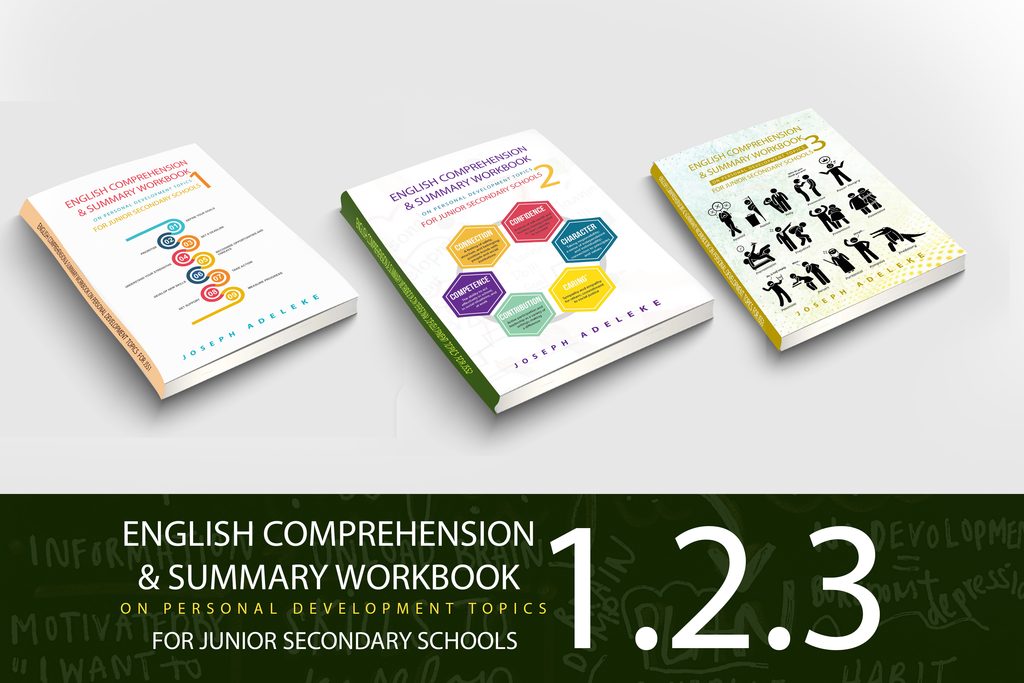
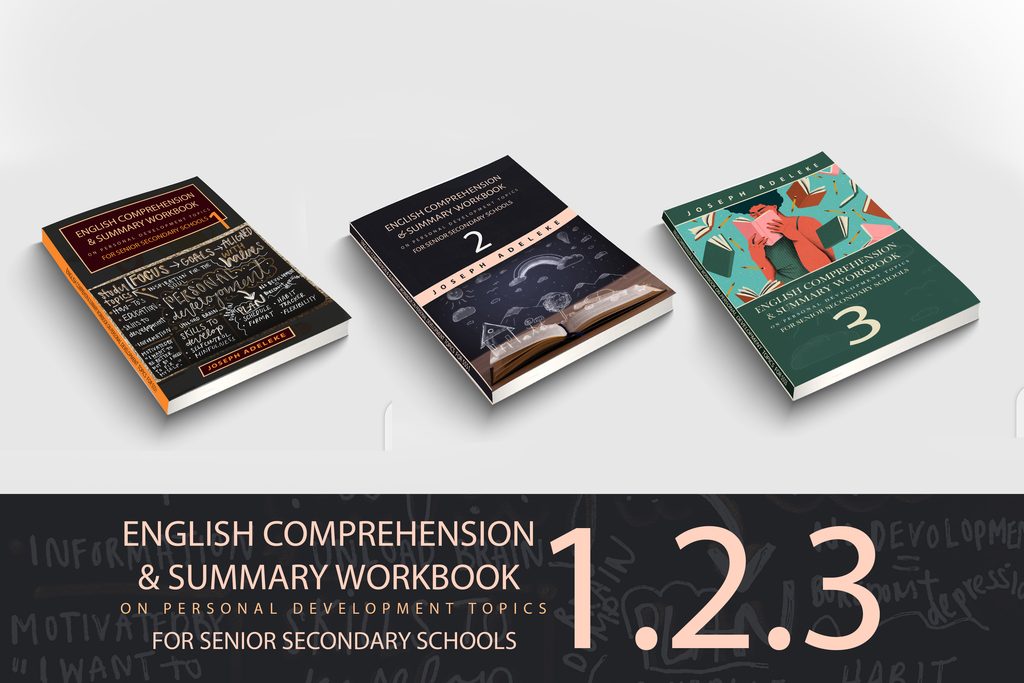
TCIM Initiatives works to translate identity-development ideas into educational and youth-focused activities.
Its approach connects personal development with opportunities for teenagers to read, think, write, speak, reflect, and engage with others.
One expression of this work is the TCIM Initiatives English Comprehension and Summary Workbook, which uses personal-development themes to support English-language learning alongside reflection on identity, mindset, and everyday decisions.
Rather than treating comprehension as an exercise in finding answers
- 6 days Ago
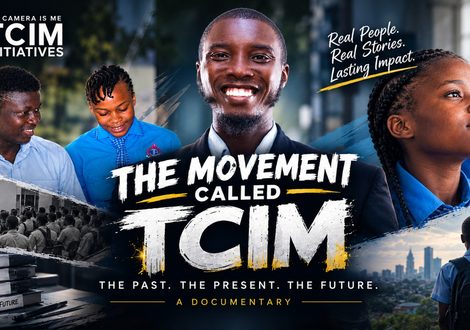
Discover the inspiring journey behind The Movement Called TCIM, a documentary tracing the growth of TCIM Initiatives from a vision born in 2018 to a movement committed to transforming teenage identity and mindset. Through the voices of students, teachers, and school proprietors, explore the people, purpose, and vision driving our mission to help teenagers recognize their potential, rewrite limiting narratives, and build a better future.