

Rewriting the Story Within: What 800 Teenagers Across 10 Schools Taught Us About Identity.
- 2 weeks Ago
- 2 Comments
- 7 Min Read
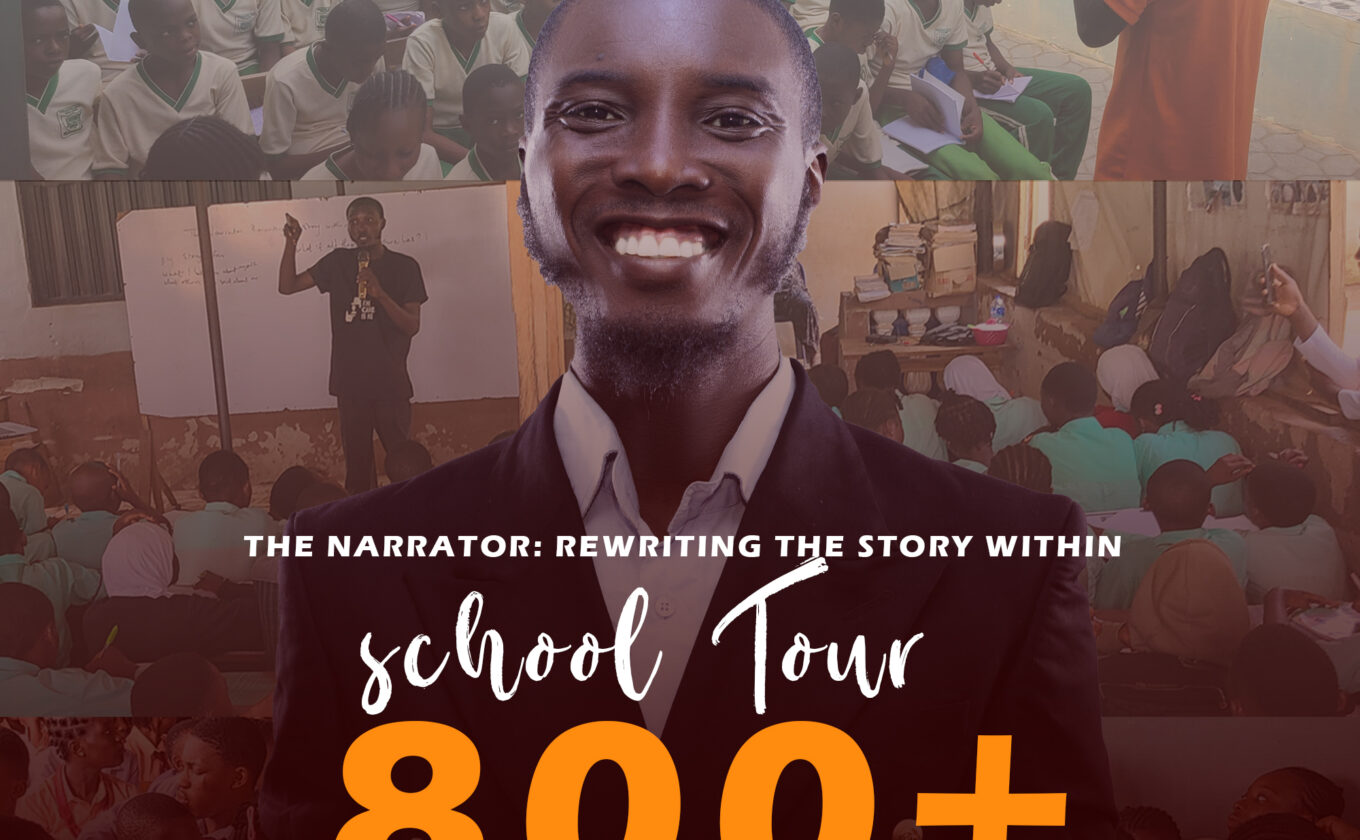
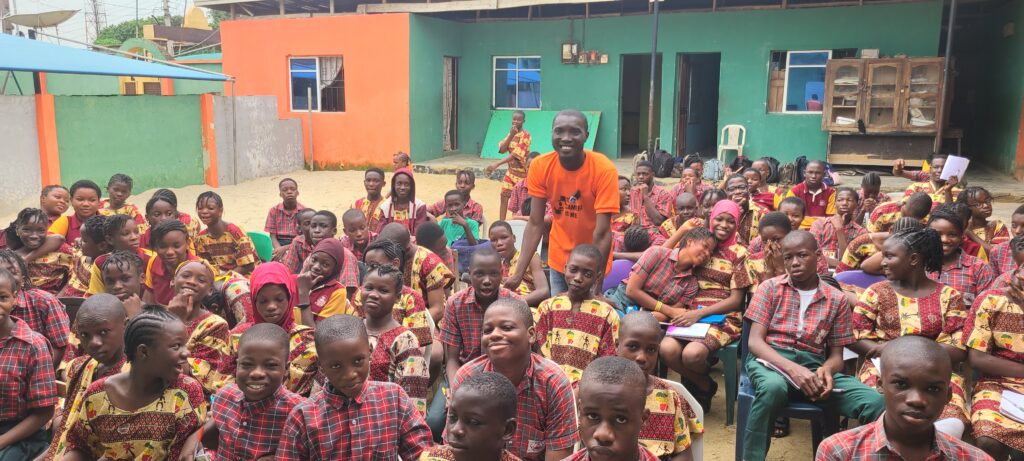
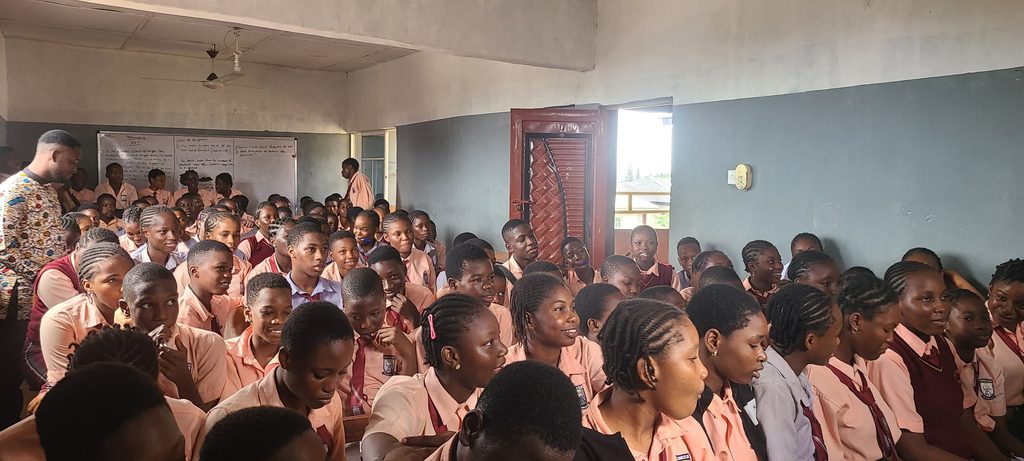
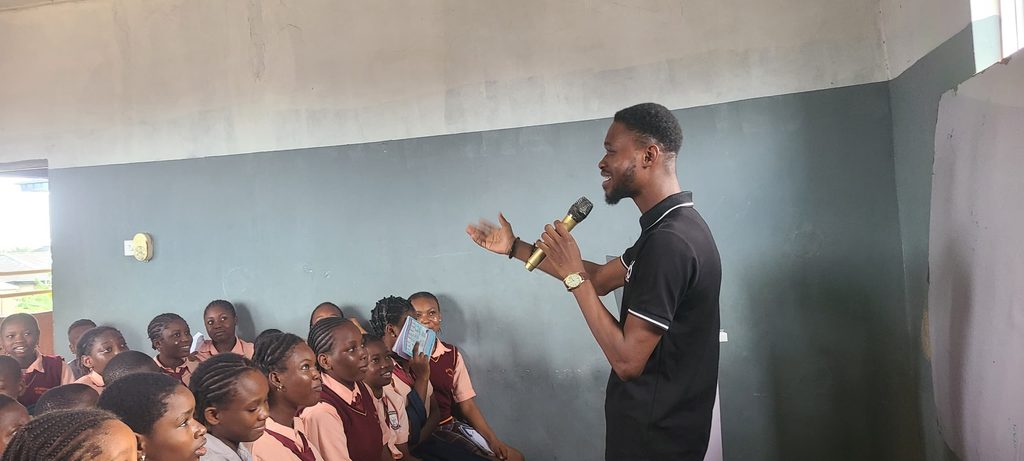
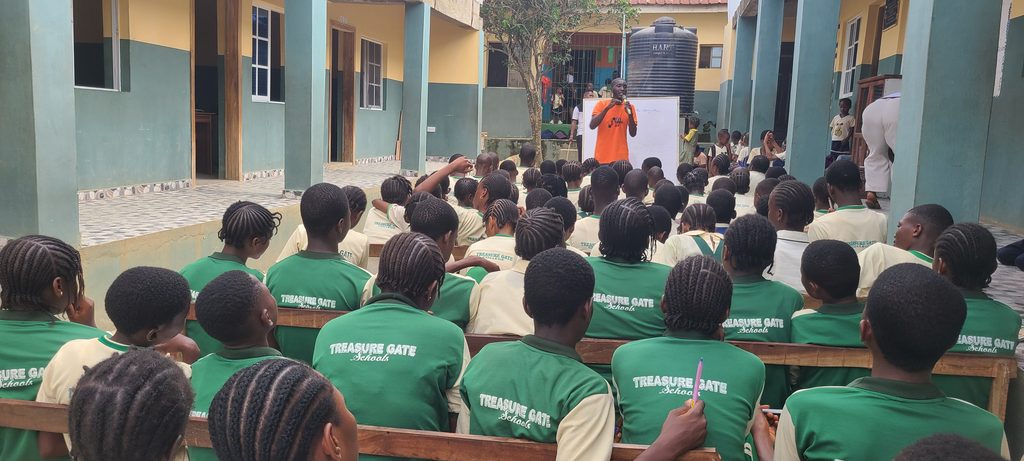
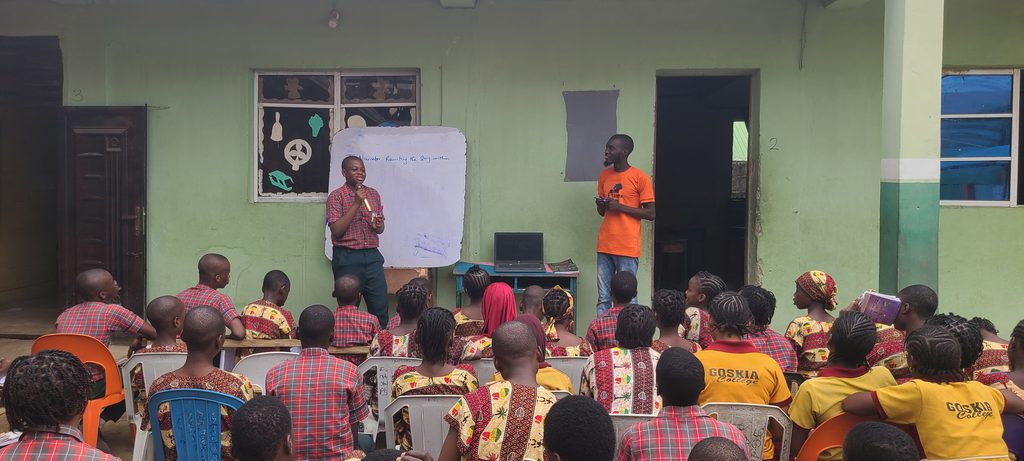
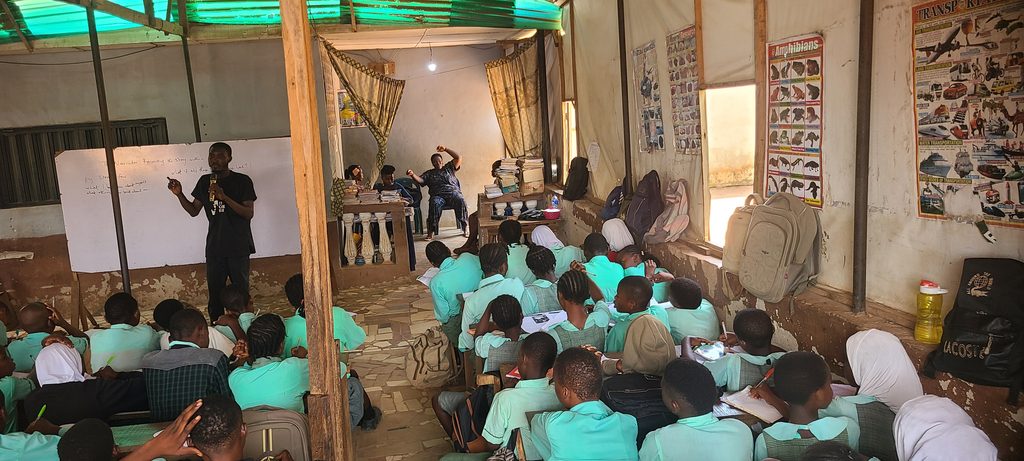
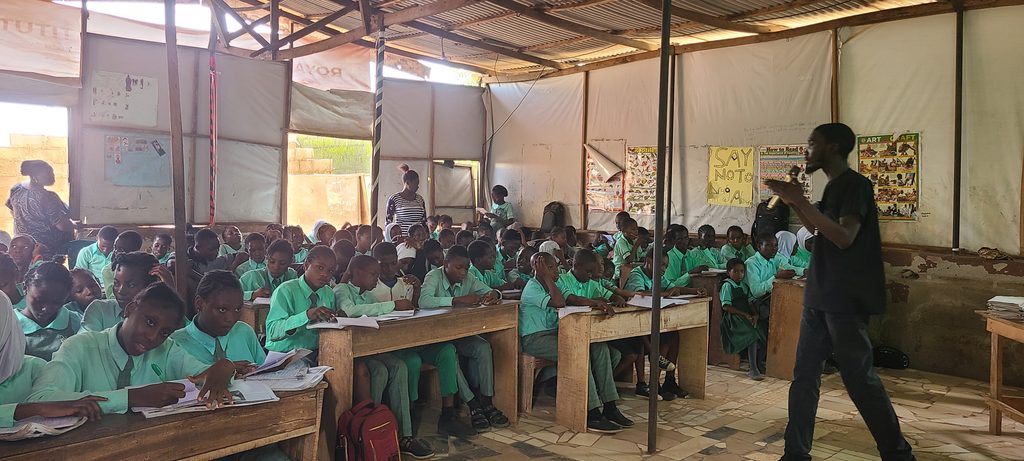
In the month of May/June 2026, We had the privilege of standing before more than 800 teenagers across 10 secondary schools, leading conversations on a topic that has become the heartbeat of our work at TCIM Initiatives: “The Narrator: Rewriting the Story Within.”
As we travelled from one school to another, we expected to teach. We expected to challenge students to think differently about themselves and their future. We expected to share principles from years of working with young people.
But by the end of the tour, we realised that while we had spoken to hundreds of students, they had also taught us something profound.
The greatest obstacle facing many young people today is not a lack of intelligence, talent, or opportunity.
It is the story they have come to believe about themselves.
Every Behaviour Has a Story Behind It.
One of the biggest misconceptions about teenagers is that we often judge what they do without asking why they do it.
A student who refuses to speak in class may not simply be shy.
A teenager who constantly seeks validation may not merely be attention-seeking.
Another who gives up easily may not be lazy.
Very often, behind the behaviour is a story—a story repeated so many times that it gradually becomes an identity.
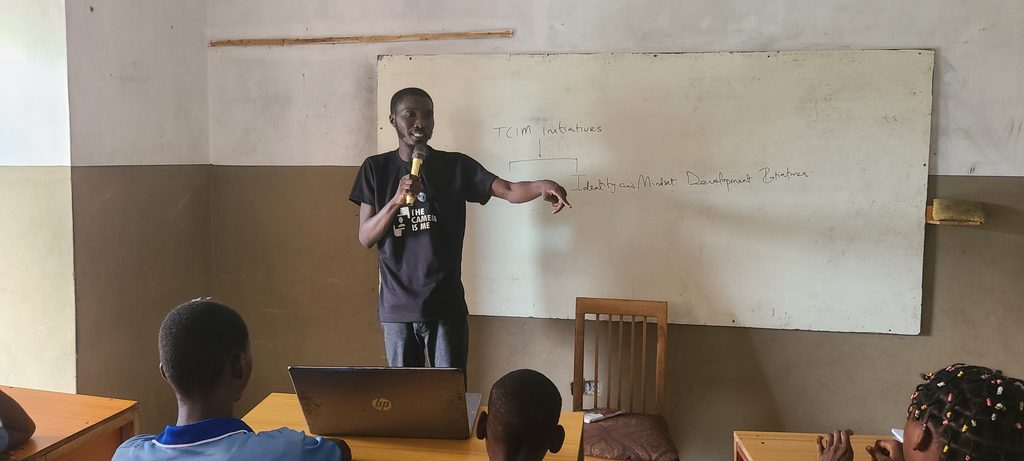
Throughout this school tour, Joseph Adeleke invited students to reflect on the internal narratives they had accepted about themselves. As they shared openly, one thing became increasingly clear: many of them were carrying invisible labels they never consciously chose.
Those labels had become the lens through which they interpreted their lives.
“I Hate My Legs”
One conversation remains unforgettable.
A young girl quietly explained that she had developed a deep dislike for herself because she had bow legs.
Her classmates regularly made fun of her.
What began as jokes from other students gradually became the story she believed about herself.
She no longer simply thought, “Some people laugh at my legs.”
Instead, she had unconsciously accepted a much deeper narrative:
“There is something wrong with me.”
The problem was no longer her appearance.
The problem had become her identity.
When young people internalize criticism, it stops being something they hear and becomes something they believe.
That belief begins to shape their confidence, relationships, decisions, and expectations about life.
“They Say I’m Proud”
Another student shared a completely different experience.
She explained that people constantly described her as proud.
At first glance, that seemed like a personality issue.
But as we explored her story, something remarkable emerged.
She wasn’t avoiding people.
She wasn’t arrogant.
She simply had the courage to volunteer for responsibilities and accept challenges that many of her classmates were unwilling to take.
Instead of being celebrated for her confidence and initiative, she had repeatedly been labelled as proud.
Over time, she began questioning herself.
Was there really something wrong with being willing to lead?
Could confidence actually be a flaw?
Together, we reframed that narrative.
Rather than accepting the identity of being “proud,” she began to recognise qualities of courage, leadership, confidence, and responsibility.
The behaviour had never been the problem.
The interpretation had been.
The Stories We Inherit
These were not isolated experiences.
Again and again, students shared limiting beliefs that had been shaped by people closest to them.
Some carried painful words spoken repeatedly by parents.
Others believed labels given by siblings.
Many had accepted opinions expressed by friends, classmates, or even teachers.
“I am not intelligent.”
“I am too ugly.”
“I can never succeed.”
“I am always the problem.”
“I don’t belong.”
“I will never amount to anything.”
None of these statements were facts. Yet many students had accepted them as truth.
The longer a story is repeated, the easier it becomes to mistake it for reality.
That is why identity development is so important.
Young people do not merely become what people call them.
They often become what they repeatedly believe about themselves.
Rewriting the Story
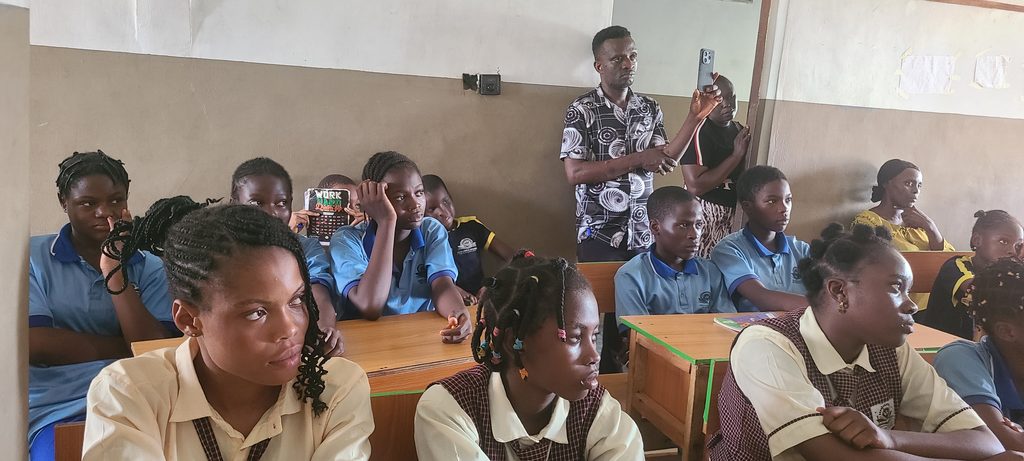
One of the most meaningful moments during each session came when students were invited to challenge their own narratives.
Instead of accepting limiting beliefs without question, they examined them.
Where did this story come from?
Who first made me believe this?
Is it actually true?
Does this story help me become who I want to be?
Then came the most powerful part.
Together, we rewrote those narratives.
“I am ugly” became “My value is not determined by my appearance.”
“I am proud” became “I have the confidence to take positive initiative.”
“I always fail” became “Every setback is preparing me to succeed.”
“I am not good enough” became “I am growing, learning, and becoming the best version of myself.”
These were more than positive affirmations. They were intentional acts of identity reconstruction.
For many students, it was the first time they had consciously questioned the stories that had been directing their lives.
Why This Matters?
This experience reinforced what we have observed through years of working with young people at TCIM Initiatives. Many interventions focus on changing behaviour.
We believe sustainable transformation begins much deeper.
Behaviour grows out of identity.
Identity grows out of narrative.
When unhealthy narratives remain untouched, behavioural change often becomes temporary.
But when a young person begins to see themselves differently, their choices begin to change naturally.
This conviction forms the foundation of our Narrative Identity Transformation (NIT) Model, the framework that guides our school programmes, coaching, curriculum, research, and educational interventions.
We believe lasting change begins by helping people rewrite the stories they have accepted about themselves.
Because when the story changes, identity changes.
When identity changes, decisions change.
And when decisions change consistently, lives begin to change.
Gratitude to Our School Partners.
This tour would not have been possible without schools that recognise the importance of developing students beyond academic performance.
We are deeply grateful to the leadership, teachers, and students of Excellencia College, Royal Educational Institute, Goskia College, Dearborn College, Joshmartins College, Tom Marthy College, Peculiar Nation Greater Height International, Treasure Gate College, Pavics College, and Jobade College for opening your classrooms, your assemblies, and your hearts.
Your willingness to invest in your students’ identity and mindset demonstrates a commitment to holistic education—one that prepares young people not only for examinations but for life.
This Is Only the Beginning.
As we reflected on the past month, one thought remained with us. We often ask young people what they want to become.
Perhaps we should first ask them what they currently believe about themselves.
Because long before a student chooses a career, builds relationships, or pursues a dream, they have already been telling themselves a story about who they are.
That story quietly influences every decision they make.
If we are serious about building a better society, we cannot focus only on academic achievement. We must also help young people develop healthier identities, stronger self-belief, and narratives rooted in truth rather than fear, rejection, comparison, or criticism.
Reaching more than 800 students across 10 schools was a significant milestone, but for us, the true measure of impact was not the number of students in the audience. It was the number of stories that began to change.
Every limiting belief challenged.
Every unhealthy label questioned.
Every young person who walked away seeing themselves with greater hope.
That is where transformation begins.
The school tour may have ended, but the work continues.
Across classrooms, homes, and communities, there are still countless young people waiting to discover that they are not prisoners of the stories they have inherited.
Their stories can be rewritten.
Their identities can be transformed.
And when that happens, their futures can change.
At TCIM Initiatives, that is the future we are committed to building—one story at a time.
- 2 weeks Ago
When English Lessons Become More Than English
What if English lessons could do more than prepare students for examinations? What if every comprehension passage could also help students think better, understand themselves, and make wiser decisions?
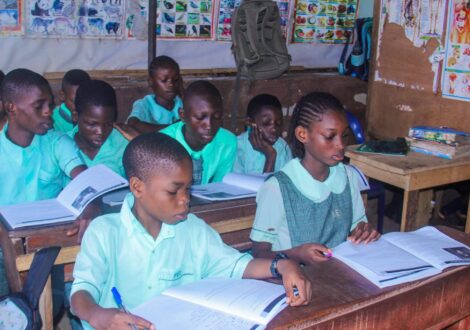
That question inspired the TCIM Initiatives English Comprehension and Summary Workbook—a resource that combines English Language development with personal growth.
Through passages exploring identity, purpose, resilience, confidence, leadership, relationships, and responsible decision-making, students strengthen their reading, vocabulary, grammar, comprehension, and summary-writing skills while reflecting on who they are and who they are becoming.
Now used by secondary schools across Lagos and Ogun States and recommended by the Ogun State Ministry of Education, the workbook reflects a simple belief: education becomes more meaningful when learning extends beyond examinations.
Because when students improve the way they read, they improve the way they think—and when they think differently, they can begin to make better decisions about their future.
- 2 weeks Ago
Introducing TCIM Initiatives: The Evolution of a Vision
For years, The Camera Is Me Limited (TCIM) has helped young people develop purpose, confidence, and healthier life choices. But as our work grew, so did our understanding: people rarely live beyond the stories they believe about themselves.
This insight led us to recognize that lasting transformation requires more than changing behavior—it requires addressing the narratives beneath it.
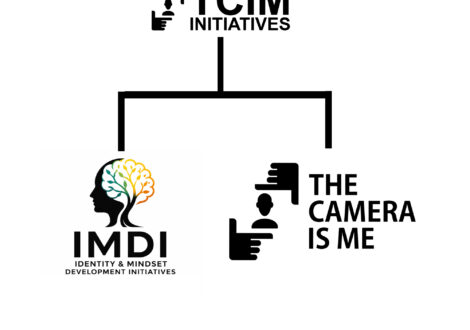
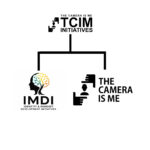
Today, we introduce TCIM Initiatives, the parent organization created to unify and expand our work. Under this structure, The Camera Is Me Limited serves as our professional and educational enterprise, while Identity & Mindset Development Initiatives (IMDI) drives our social impact work.
At the heart of this vision is the Narrative Identity Transformation (NIT) Model, built on a simple belief: when the story changes, identity changes; when identity changes, decisions change; and when decisions change, lives change.
TCIM Initiatives is more than a new structure. It is the next chapter of a growing movement committed to helping people develop healthier identities and rewrite the stories that shape their lives.
The story continues—and this is only the beginning.



Hmm is anyone else experiencing problems with
tthe pictures on this blog loading? I’m trying tto figurre oout
if itss a problem on my end or if it’s the blog.
Anyy feedback would bee greatly appreciated.
auroravpn
it’s not the blog. most likely your end