
From Programmes to Policy: Transforming Classrooms Through Curriculum
By 2024, TCIM INITIATIVES had spent six years listening to teenagers, working alongside schools, engaging parents, collaborating with educators, and observing one recurring reality.
While conferences inspired students and workshops challenged their thinking, their impact was often limited by time. A conference lasted for a day. A workshop lasted for a few hours. Yet the beliefs, habits, and narratives that shape a teenager’s identity are formed every day within classrooms, homes, and communities.
This realization prompted one of the most significant strategic decisions in TCIM’s history.
The organization asked itself an important question:
“What if identity transformation could become part of everyday learning rather than an occasional intervention?”
The answer marked the beginning of a new chapter.
Rather than expanding the number of programmes it delivered, TCIM decided to build something that could outlive individual events—a curriculum capable of shaping young minds every school day.
This decision represented a major evolution in the organization’s mission.
TCIM was no longer simply organizing youth programmes.
It was becoming an educational content developer committed to influencing how young people learn, think, and understand themselves within the formal education system.
It was also during this period that the Narrative Identity Transformation (NIT) Model began moving from practice into structure. Years of observations gathered through conferences, school tours, mentoring sessions, and storytelling workshops were now being translated into educational resources that teachers could consistently use in the classroom.
From Training to Curriculum
After years of successfully operating TCIM Academy, the organization made a strategic decision to conclude its academy operations and invest in a more scalable model of impact.
Rather than reaching hundreds of students through periodic training programmes, TCIM envisioned reaching thousands through curriculum-based learning integrated into everyday classroom instruction.
This vision led to the development of a structured series of English Language and Comprehension Workbooks (JSS1–SS3).
Unlike conventional English workbooks, these resources were intentionally designed around themes of:
- Identity
- Character development
- Self-awareness
- Leadership
- Emotional intelligence
- Purpose
- Decision-making
- Personal responsibility
- Storytelling
Every comprehension passage became an opportunity for reflection.
Every exercise encouraged critical thinking.
Every lesson invited students to examine the stories shaping their beliefs, attitudes, and behaviours.
By integrating character development into English Language education, TCIM created a unique educational resource that combined academic excellence with identity formation.
This was a defining moment for the organization.
For the first time, the principles of the Narrative Identity Transformation (NIT) Model were being embedded into structured classroom learning rather than being delivered only through conferences and workshops.
Reaching Students Beyond the Stage
The newly developed workbooks were introduced into multiple secondary schools across Lagos State, allowing students to engage with TCIM’s philosophy repeatedly throughout the academic year.
This represented a significant shift in impact.
Previously, students encountered TCIM during conferences or school visits.
Now they could continue interacting with the organization’s ideas inside their classrooms through reading, comprehension, discussion, reflection, and writing activities.
Teachers also benefited from having practical educational resources that encouraged meaningful conversations about identity, confidence, resilience, and purpose while simultaneously improving students’ literacy and comprehension skills.
This marked TCIM’s emergence as both a youth development organization and an educational content provider.
The organization was no longer simply influencing students.
It was beginning to influence teaching and learning itself.
The Seventh Annual Conference "Raising A Balanced Teenager"
While curriculum development became the year’s defining milestone, TCIM remained committed to creating spaces where teenagers could continue learning directly from experienced professionals.
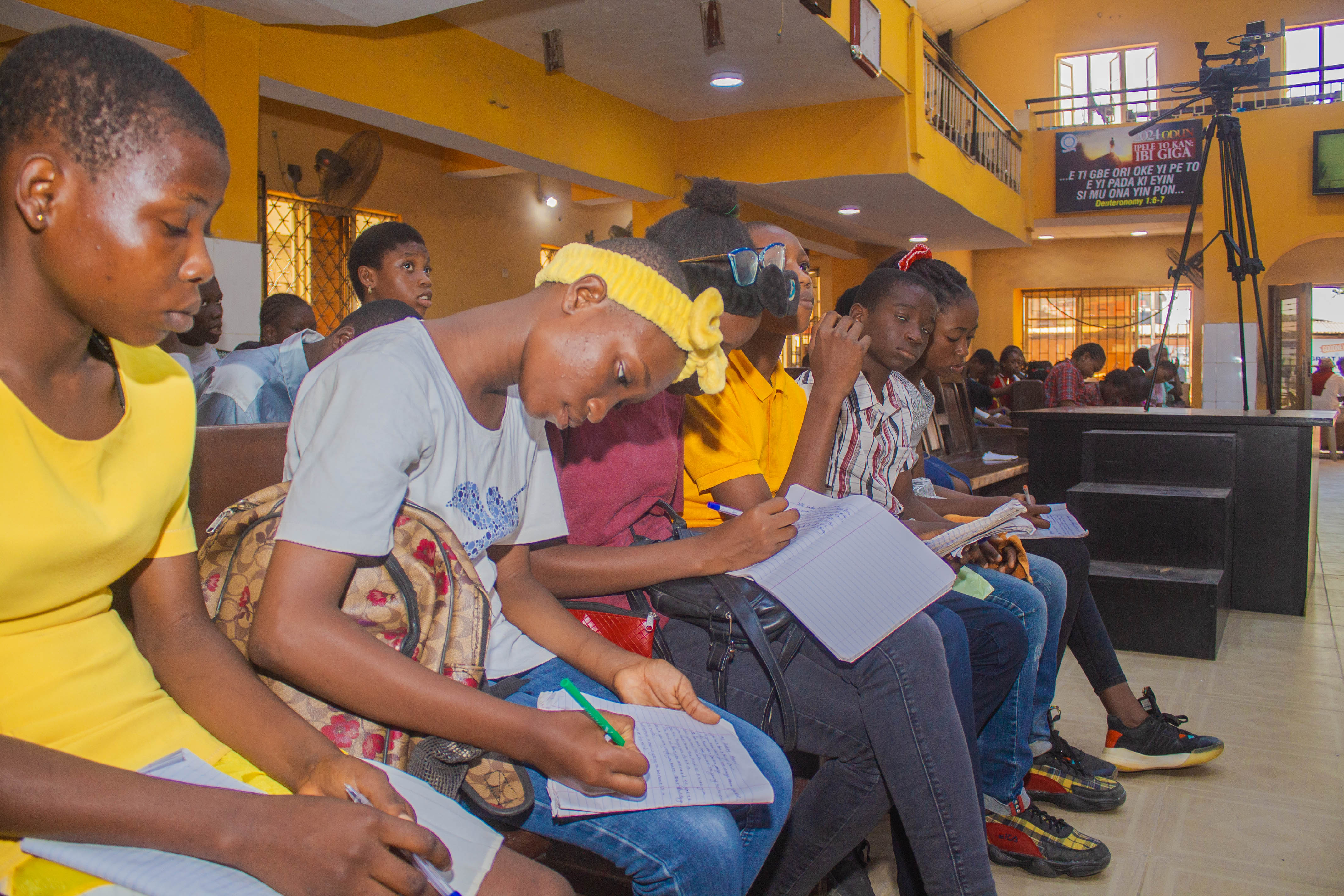
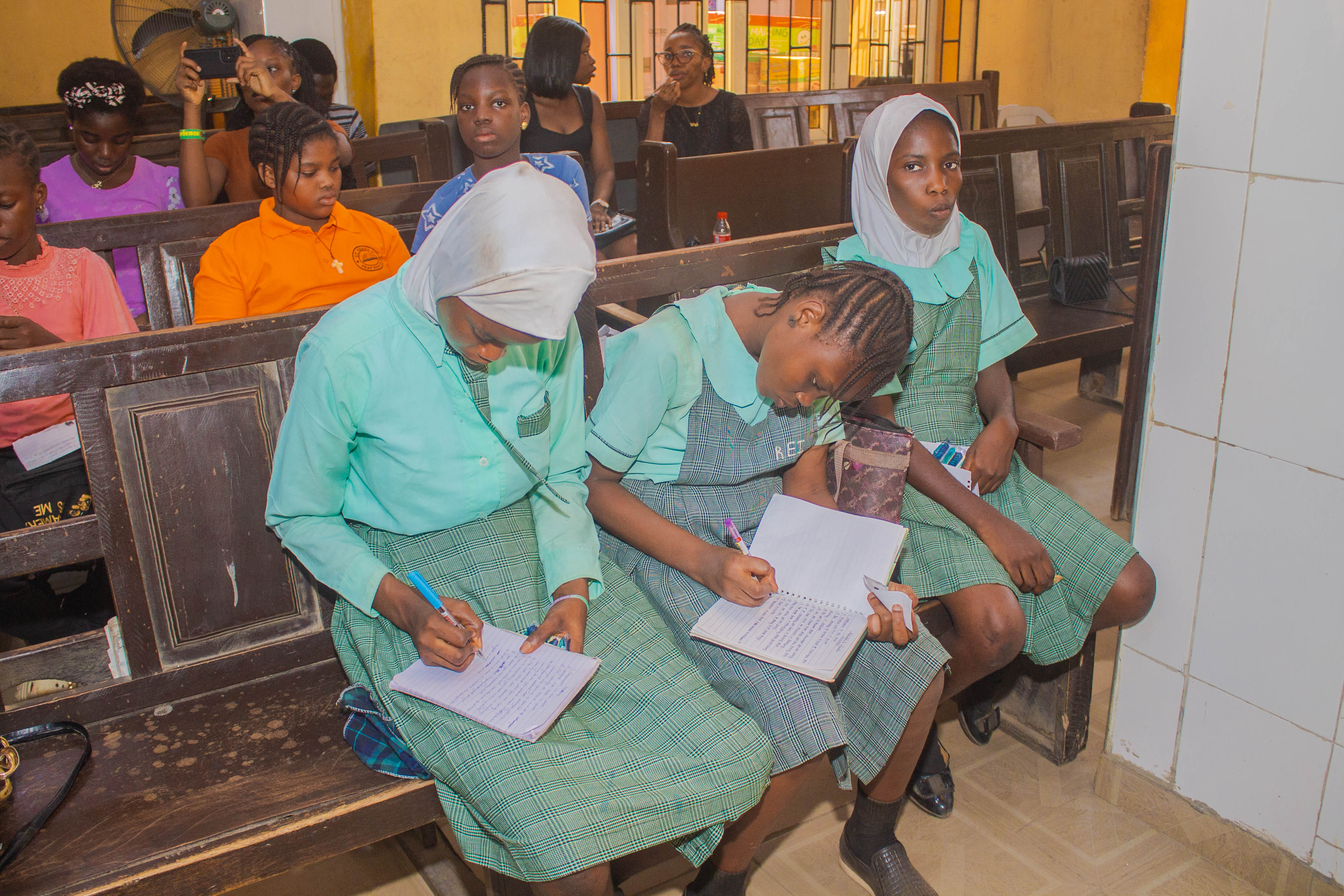
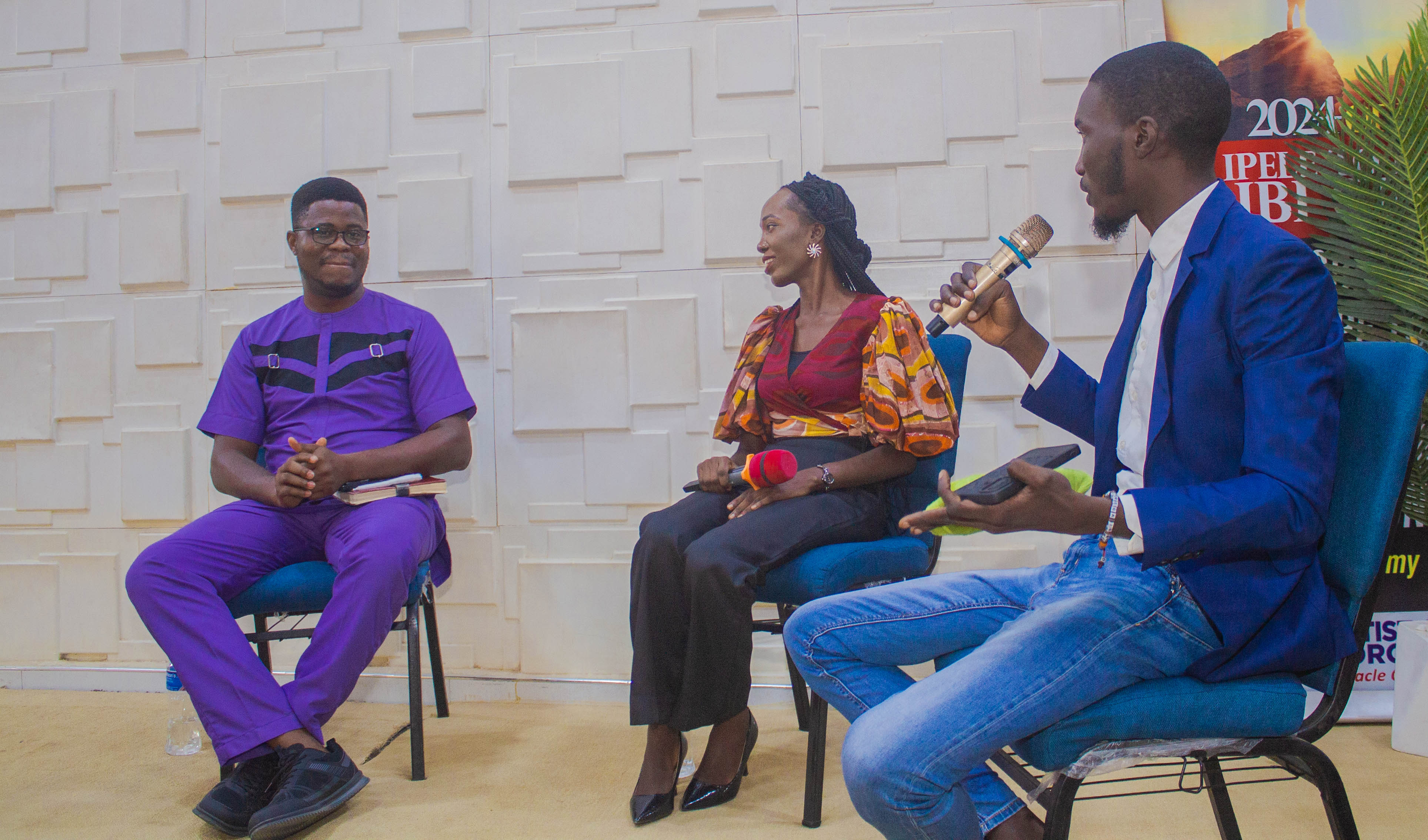
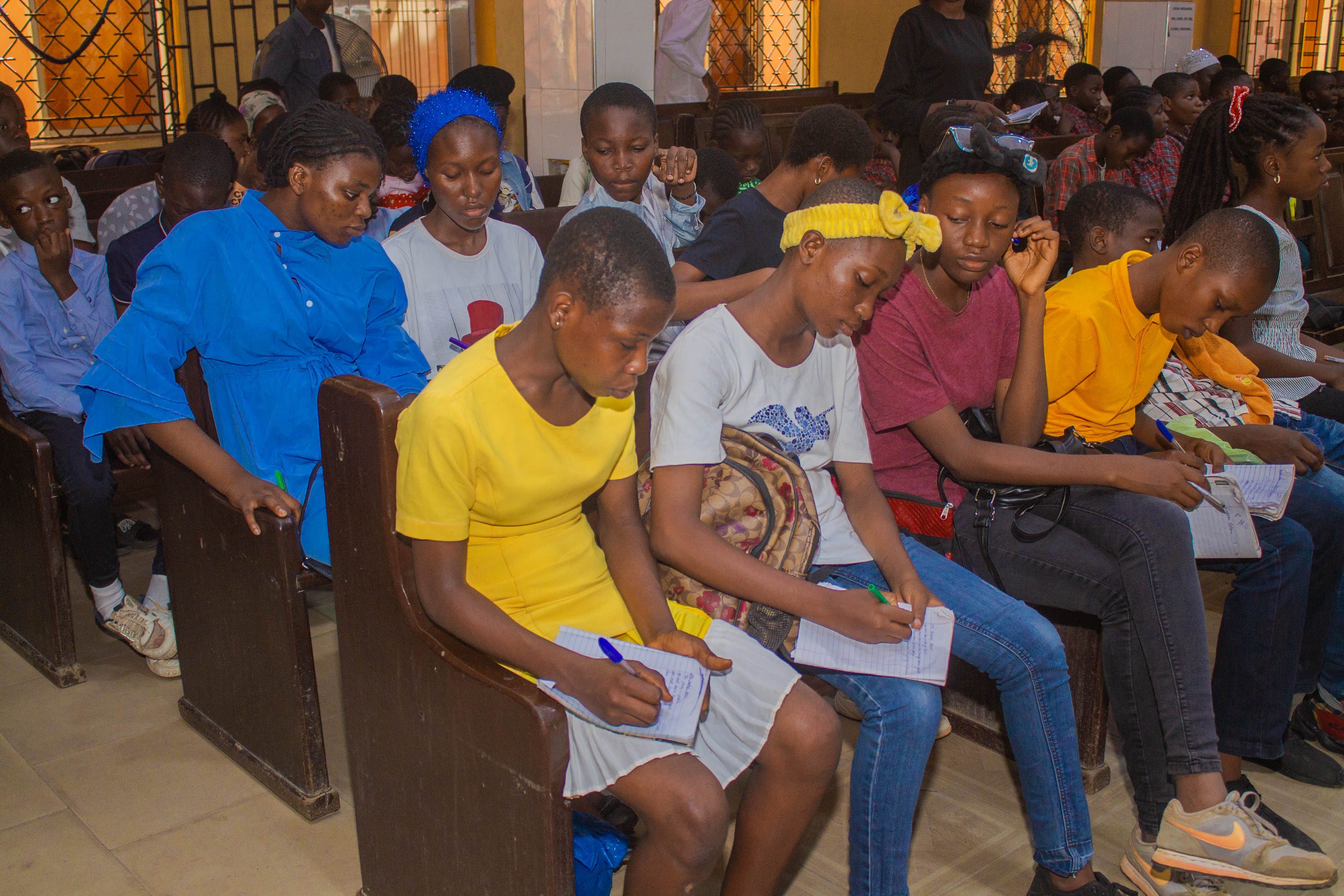
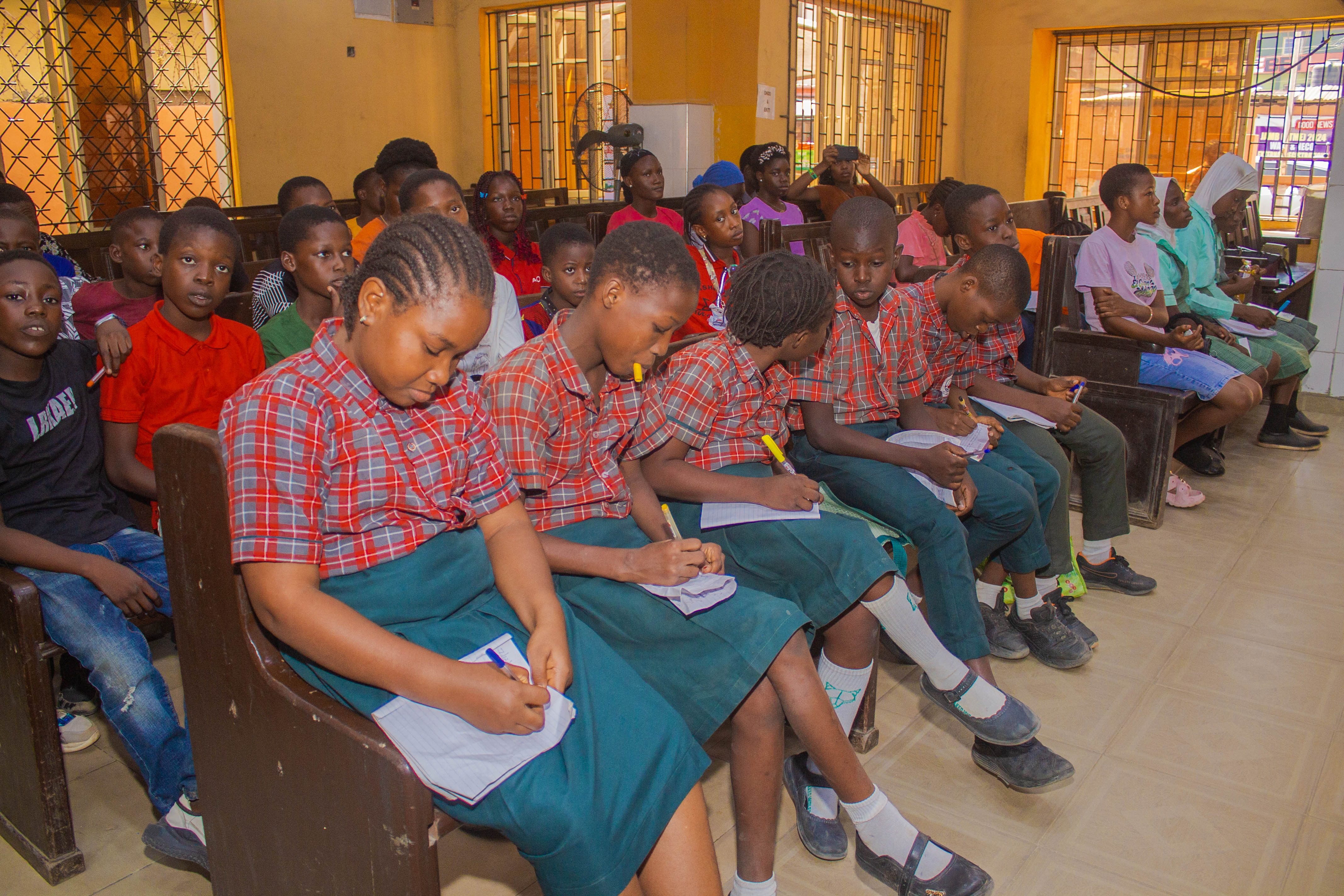
To complement its classroom initiatives, the organization hosted the 7th Annual TCIM Conference, themed:
“Raising A Balanced Teenager.”
The conference addressed an increasingly important conversation.
Academic achievement alone is not enough to prepare young people for life.
Teenagers also need emotional intelligence, healthy relationships, resilience, discipline, communication skills, leadership, and a strong sense of identity.
The conference therefore encouraged participants to pursue balanced development—growing intellectually, emotionally, socially, morally, and personally.
More than 150 teenagers participated in the event, engaging in practical conversations designed to prepare them not only for examinations but for adulthood.
Experienced speakers and facilitators challenged participants to think beyond academic success and intentionally develop the character required to navigate an increasingly complex world.
The conference reinforced TCIM’s long-standing belief that education should shape both the mind and the person.
From Storytelling to System Building
Looking back, 2024 represented one of the most important transitions in TCIM’s journey.
Previous years had focused primarily on transforming individual teenagers through direct engagement.
This year focused on building systems capable of transforming future generations.
The shift from programmes to curriculum reflected a broader vision.
Rather than asking,
“How many students can we reach this year?”
TCIM began asking,
“How can we influence how students are taught for years to come?”
This systems-thinking approach significantly strengthened the Narrative Identity Transformation (NIT) Model.
Years of practical field experience were now being translated into structured educational content that teachers could consistently deliver within schools.
It demonstrated that identity transformation does not need to happen only during inspirational moments.
It can become part of everyday education.
Our Gallery