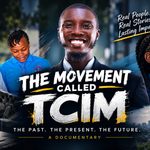

From Innovation to Institutional Recognition: Establishing a New Standard for Identity and Mindset Education
Seven years after a simple Instagram campaign encouraged young people to reflect on how far they had come, TCIM INITIATIVES entered one of the most defining moments in its history.
The organization had grown beyond conferences.
It had grown beyond school tours.
It had grown beyond workshops.
It had even grown beyond curriculum development.
By 2025, the ideas, resources, and educational philosophy that TCIM had spent years developing began receiving institutional recognition.
This was not simply another successful year.
It was the year that validated years of consistency, innovation, and unwavering commitment to helping teenagers rewrite the stories they believe about themselves.
For TCIM, the question was no longer,
“Can storytelling transform young people?”
Years of practical experience had already answered that.
The question had become,
“Can storytelling become a recognized educational approach capable of influencing schools, teachers, and educational policy?”
The answer began to unfold throughout 2025.
It marked the transition from a growing youth movement into an educational institution contributing to the future of adolescent development in Nigeria.
At the centre of this transformation was the Narrative Identity Transformation (NIT) Model—a framework that had evolved through seven years of practical engagement with thousands of teenagers across schools, churches, communities, conferences, and classrooms.
A Major Educational Milestone Recognition by the Ogun State Ministry of Education
One of the most significant achievements in TCIM’s journey came when its English Language and Comprehension Workbook received an official recommendation from the Ogun State Ministry of Education for use in secondary schools.
For any educational organization, institutional recognition represents more than an endorsement.
It is an affirmation that the educational content being developed has the potential to contribute meaningfully to teaching and learning.
For TCIM, this milestone carried even greater significance.
The recommendation demonstrated that character development and identity formation could successfully coexist with academic learning.
Rather than treating storytelling as an extracurricular activity, the workbook integrated literacy, comprehension, critical thinking, and personal development into one learning experience.
Students were no longer simply answering comprehension questions.
They were reflecting on leadership.
Exploring resilience.
Thinking critically about purpose.
Examining the beliefs influencing their decisions.
Developing healthier perspectives about themselves and their future.
This achievement represented years of observation, refinement, classroom engagement, and educational innovation.
It also marked the beginning of TCIM’s growing contribution to educational reform through identity-centred learning.
Influencing Learning Beyond the Conference Hall
Following its development, the workbook continued gaining acceptance across multiple secondary schools in Lagos State, where it became part of classroom learning.
Teachers began using stories, comprehension passages, and reflective exercises not only to improve literacy but also to stimulate meaningful discussions around:
- Identity
- Character
- Emotional intelligence
- Leadership
- Personal responsibility
- Decision-making
- Purpose
This represented a fundamental shift in TCIM’s influence.
For years, the organization had travelled to schools.
Now, its educational philosophy was remaining inside classrooms long after the workshops had ended.
Students could repeatedly engage with the principles of the Narrative Identity Transformation Model through structured learning experiences delivered by their own teachers.
This was precisely the long-term vision that had inspired the curriculum development initiative in 2024.
The Eighth Annual Conference "School Is Not A Scam, Ignorance Is"
While curriculum development continued expanding its educational influence, TCIM remained committed to creating transformational experiences through its flagship annual conference.
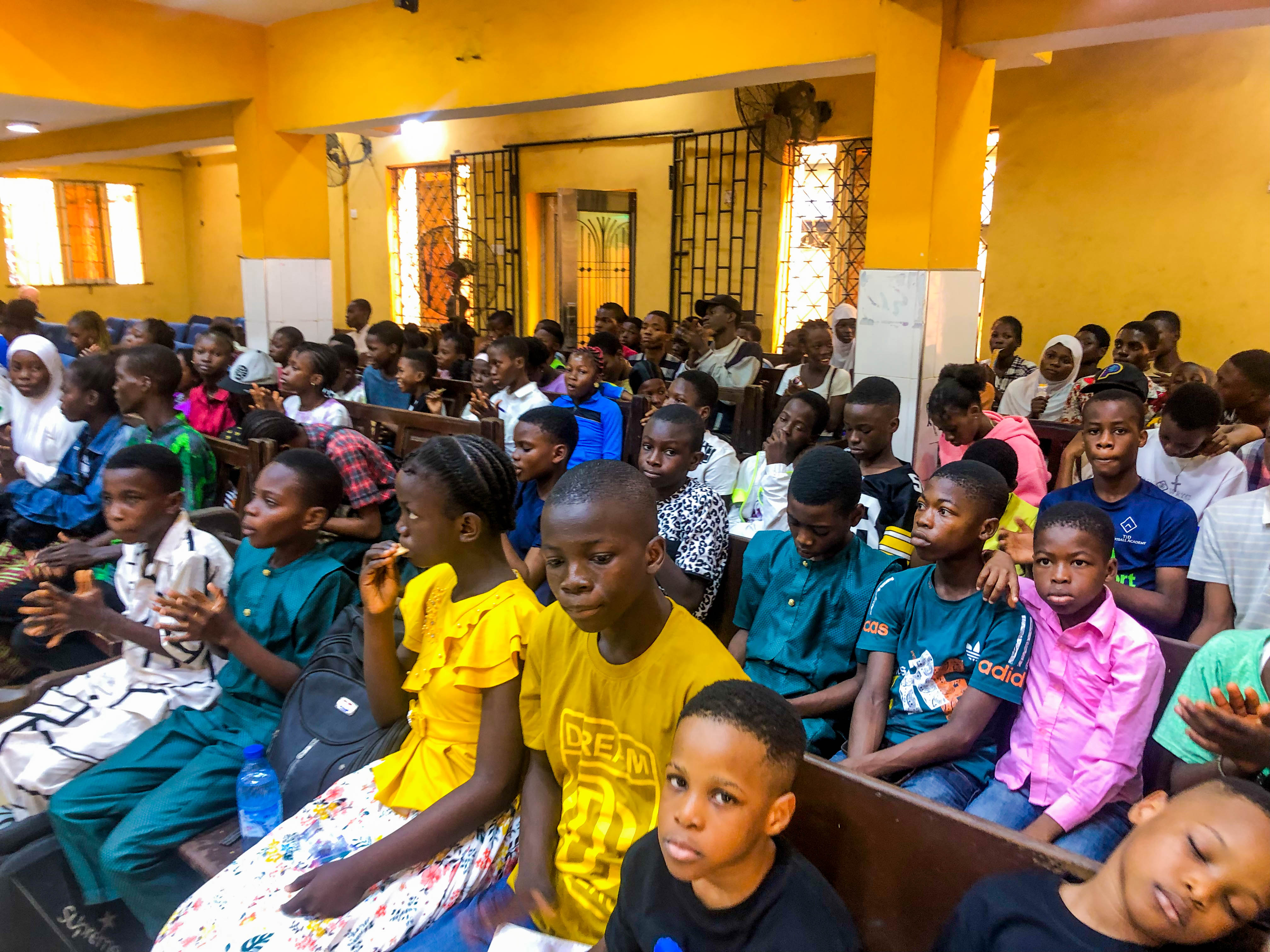
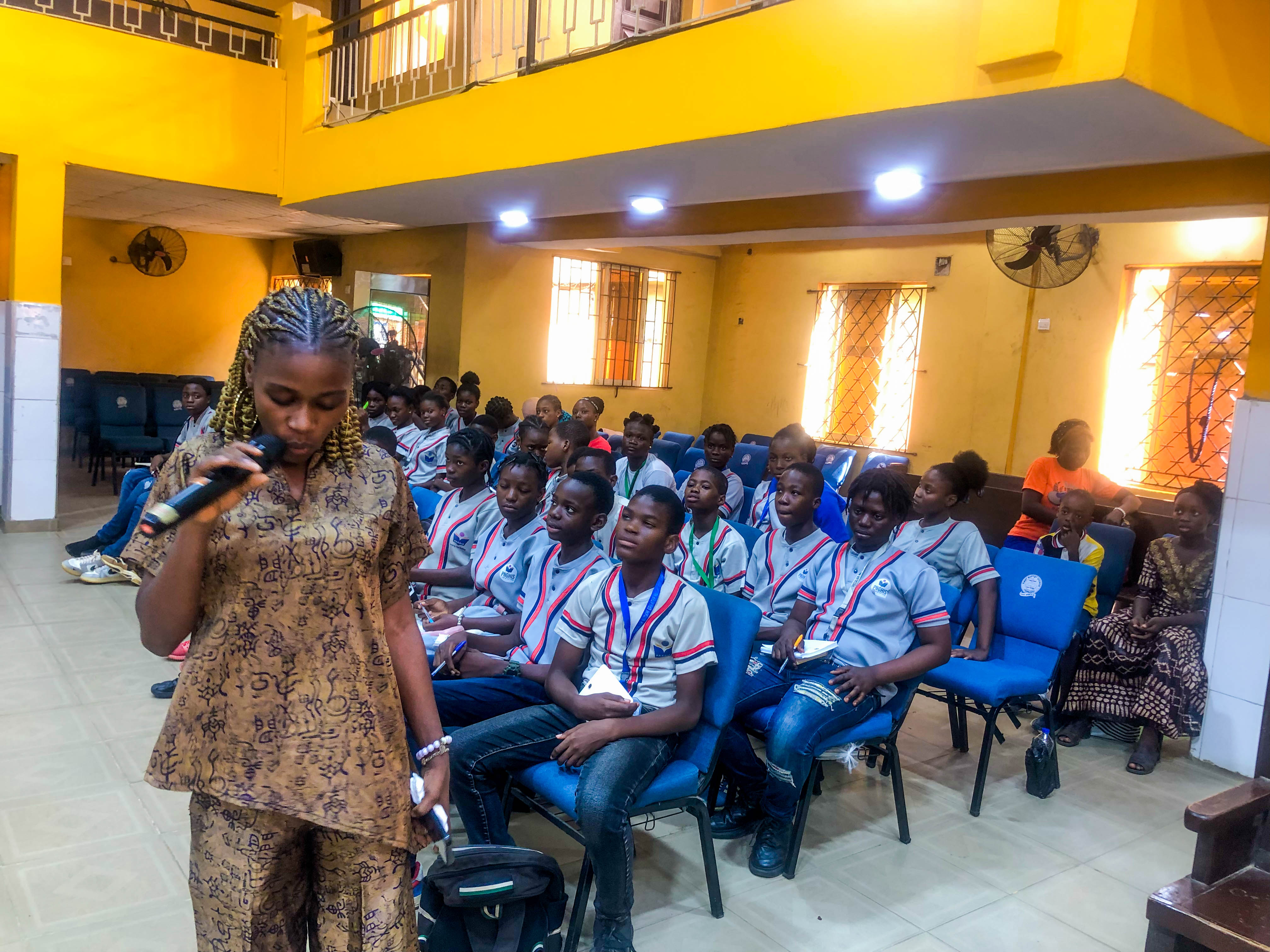
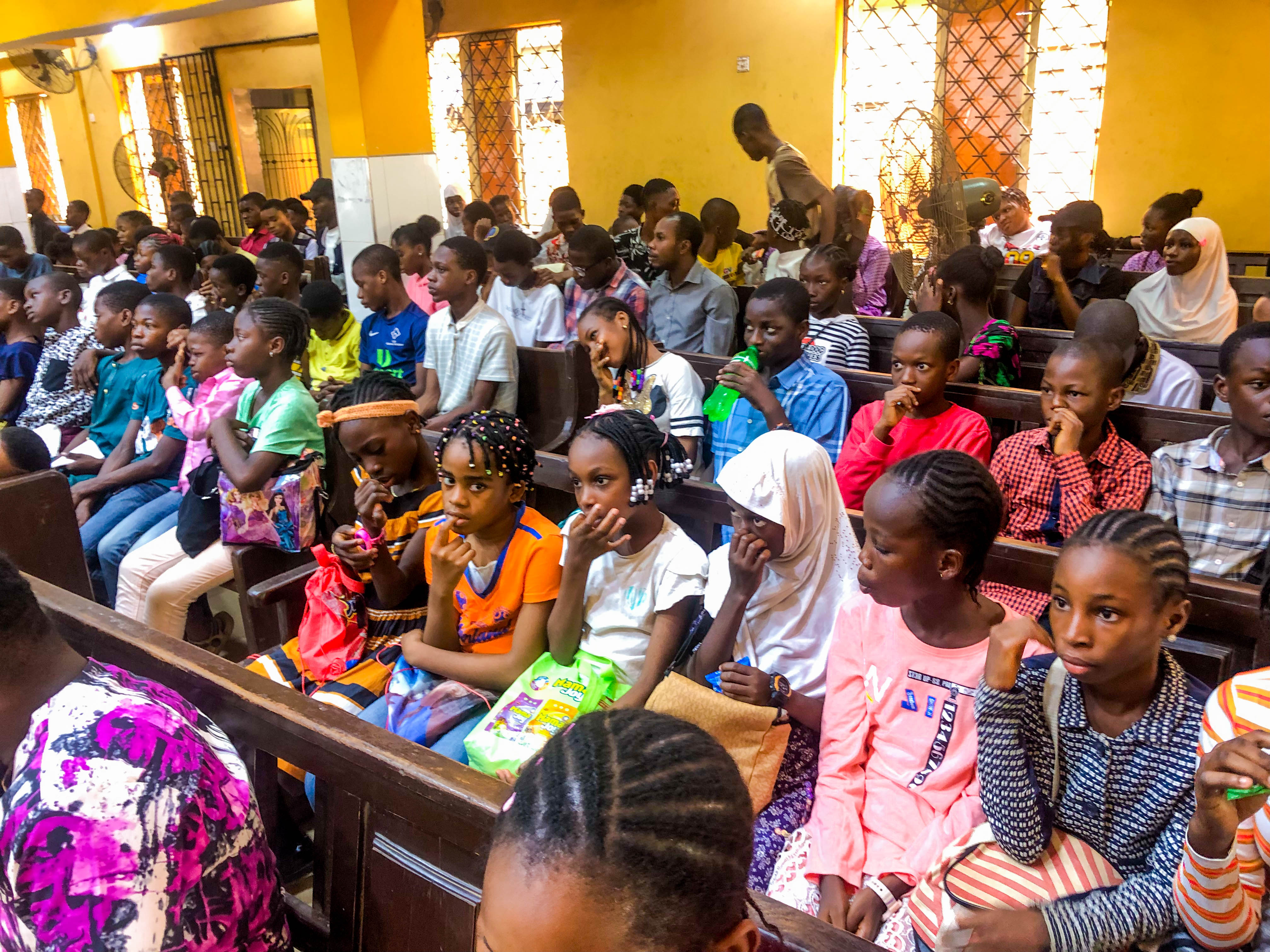
In collaboration with AHDEM Education (United Kingdom) and First Baptist Church, Ikorodu, the organization hosted its 8th Annual TCIM Conference with 150+ students in attendance.
The conference carried one of the most provocative themes in the organization’s history:
“School Is Not A Scam, Ignorance Is.”
At a time when many young people were increasingly questioning the value of formal education, TCIM sought to challenge a dangerous narrative gaining popularity among teenagers.
The conference did not argue that every path to success must follow the same route.
Instead, it encouraged participants to understand that ignorance—not education—is the true limitation.
Learning remains one of humanity’s greatest tools for personal growth, innovation, opportunity, and societal development.
Whether through formal education, vocational training, mentorship, or lifelong learning, knowledge continues to expand possibilities.
This message aligned perfectly with the philosophy of the Narrative Identity Transformation Model.
When young people begin changing the stories they believe about education, they also begin changing the decisions they make about their future.
More than 150 teenagers participated in the conference, engaging in practical conversations about learning, skills development, critical thinking, adaptability, and lifelong growth.
Learning from Educational Leaders
One of the defining characteristics of TCIM conferences has always been the quality of professionals invited to mentor participants.
The 2025 conference continued this tradition by bringing together experienced voices from the education sector who shared practical insights into:
- The future of education
- Lifelong learning
- Skill acquisition
- Leadership
- Purpose
- Career development
- Informed decision-making
These conversations encouraged participants to move beyond popular misconceptions surrounding education and instead develop balanced perspectives about academic learning, vocational competence, entrepreneurship, and continuous self-development.
The partnership with AHDEM Education (United Kingdom) also reflected TCIM’s growing international relationships and its commitment to learning from global educational perspectives while addressing local challenges affecting Nigerian teenagers.
From Educational Programmes to Educational Influence
Looking back, 2025 represented more than another successful conference.
It represented influence.
The organization had now progressed through several important stages of growth:
- From a digital awareness campaign…
- To school workshops…
- To community engagement…
- To vocational empowerment…
- To annual conferences…
- To curriculum development…
- To institutional educational recognition.
Each phase had strengthened the next.
Each lesson had refined the Narrative Identity Transformation Model.
Each student interaction had contributed to a deeper understanding of how stories influence identity, behaviour, aspiration, and life outcomes.
By this stage, TCIM was no longer simply responding to educational challenges.
It was helping shape solutions.
Strengthening the Narrative Identity Transformation (NIT) Model
Seven years of practical engagement had transformed the NIT Model from an emerging philosophy into a comprehensive educational framework.
The model had now been applied across:
- School workshops
- Community programmes
- Youth conferences
- Storytelling competitions
- Vocational training
- Mentorship initiatives
- Curriculum development
- Classroom learning
These experiences consistently reinforced one central truth:
Young people rarely live beyond the stories they believe about themselves.
When those stories become healthier, behaviour changes.
When behaviour changes, decisions improve.
When decisions improve, lives begin to change.
By 2025, the Narrative Identity Transformation Model had become the foundation upon which every TCIM programme, resource, partnership, and educational initiative was built.
It no longer represented simply what TCIM does.
It represented how TCIM creates lasting transformation.
Our Gallery



2025 Impact Snapshot
Educational Recognition
- Official recommendationof the TCIM English Language & Comprehension Workbook by the Ogun State Ministry of Education.
- Curriculum adopted in multiple secondary schools across Lagos State.
- Strengthened TCIM’s position as an educational content developer influencing classroom learning.

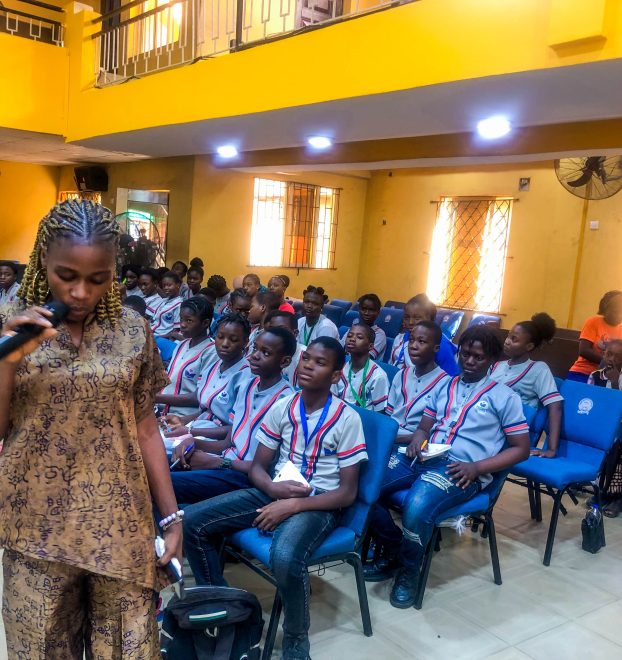
2025 Impact Snapshot
Conference Impact
- Successfully hosted the 8th Annual TCIM Conference.
- Theme: “School Is Not A Scam, Ignorance Is.”
- 150+ teenagersparticipated in conversations on education, identity, leadership, and lifelong learning.
2025 Impact Snapshot
International Collaboration
- Partnered with AHDEM Education (United Kingdom).
- Continued strengthening global partnerships supporting youth education and development.


2025 Impact Snapshot
Institutional Growth
- Expanded from programme-based interventions into curriculum and classroom influence.
- Continued positioning the Narrative Identity Transformation (NIT) Model as the foundation of all educational programmes and resources.