

Why Many Young Nigerians Don’t Want to Be Teachers: My Personal Experience with Nigeria’s Education System
- 1 week Ago
- 8 Min Read

I loved shooting short films, until one day, many years ago, when I had to use a friend’s apartment for a film shoot. During the shoot, the light we were using fell on the television screen in the apartment and damaged it. It was a very difficult time financially, and I had to take up teaching because it was the easiest job I could find to raise money to repair the television screen.
That experience marked the beginning of my journey into the teaching profession. What I observed during that period has stayed with me, and I believe it is worth sharing.
This is my personal experience with the things I have observed about the teaching profession in Nigeria.
How I Got into Teaching
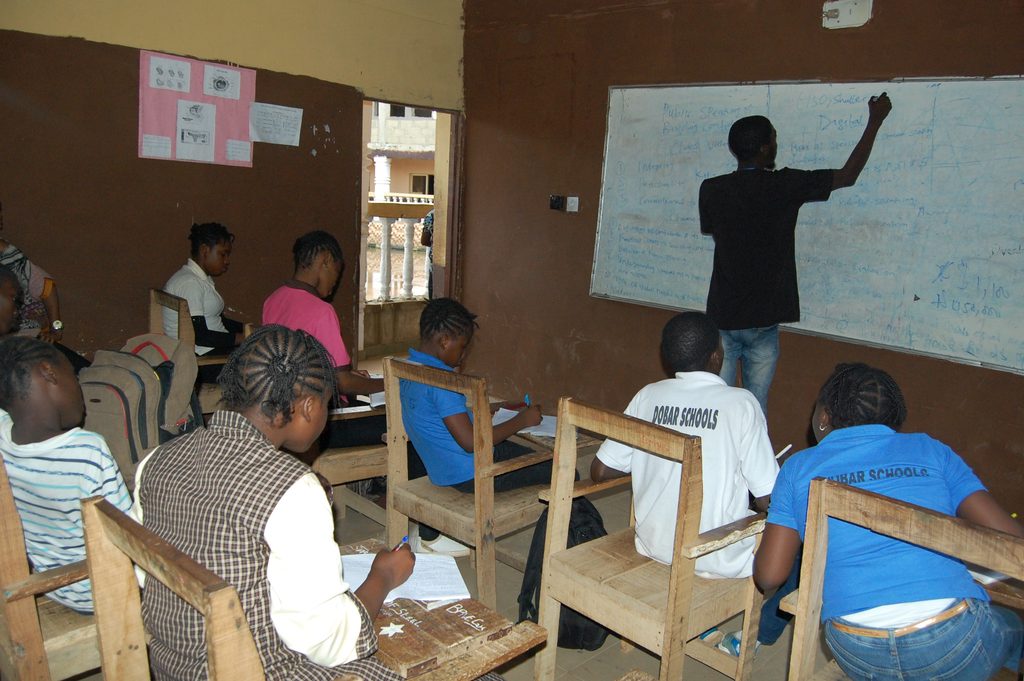
When I got into teaching, it wasn’t because I wanted to impact knowledge. I got into it because I was hungry, broke, frustrated, and needed to raise funds. So, whenever I went into the classroom to teach, it wasn’t always entirely about imparting knowledge. It was about doing just enough to earn my pay.
And this wasn’t just my story. Many of the people I encountered in the schools where I taught had similar experiences.
Teaching was the easiest job they could find to fend for themselves. Not one person seemed genuinely passionate about teaching.
Sometimes, I taught in three to five schools in a week, taking morning classes in some schools and afternoon classes in others.
I was usually paid between ₦15,000 and ₦20,000 monthly. It wasn’t much, but it was enough to get by.
I remember one school that paid me ₦1,500 per visit. That was the structure under which many schools operated, and because I wasn’t particularly passionate about the job at the time, I accepted the arrangement. As long as it could take care of some of my needs, I was willing to do it.
And, as I said, this wasn’t just about me. It was the story of countless unemployed undergraduates who couldn’t find the jobs of their dreams and had to settle for what teaching could offer.
Money.
Teaching as a Means of Survival
I remember when I served in Abia State during my National Youth Service Corps (NYSC) programme. I knew a young man who earned ₦5,000 per month as a teacher. As a corps member, I taught in three schools and earned between ₦6,000 and ₦10,000 monthly from the schools.
This wasn’t even that long ago. I am talking about 2018/2019.
The principal of the school where the young man worked earned ₦15,000 monthly.
When I compared what I earned from teaching with what I received from other activities, even outside my NYSC allowance of about ₦19,800 at the time, I realized that I was earning more than teachers who came to school every day to impart knowledge.
The question is: Why should I even desire to love teaching if it cannot take care of my basic needs?
I love filmmaking. I love writing, storytelling, and music. I love coaching and inspiring young people. I do many of these things for free most of the time because I love them.
But how many young people in our generation can afford to approach teaching with that same passion when the profession does not provide enough to meet their basic needs?
It is difficult to find a young person who genuinely wants to teach and impart knowledge simply because they love teaching. Many would leave a teaching job as soon as a better-paying opportunity came knocking.
Teaching in Nigeria is not presented as an attractive career. It is often portrayed as an unfulfilling job, something a young person would hardly aspire to do.
The Problem Is Bigger Than the Teachers
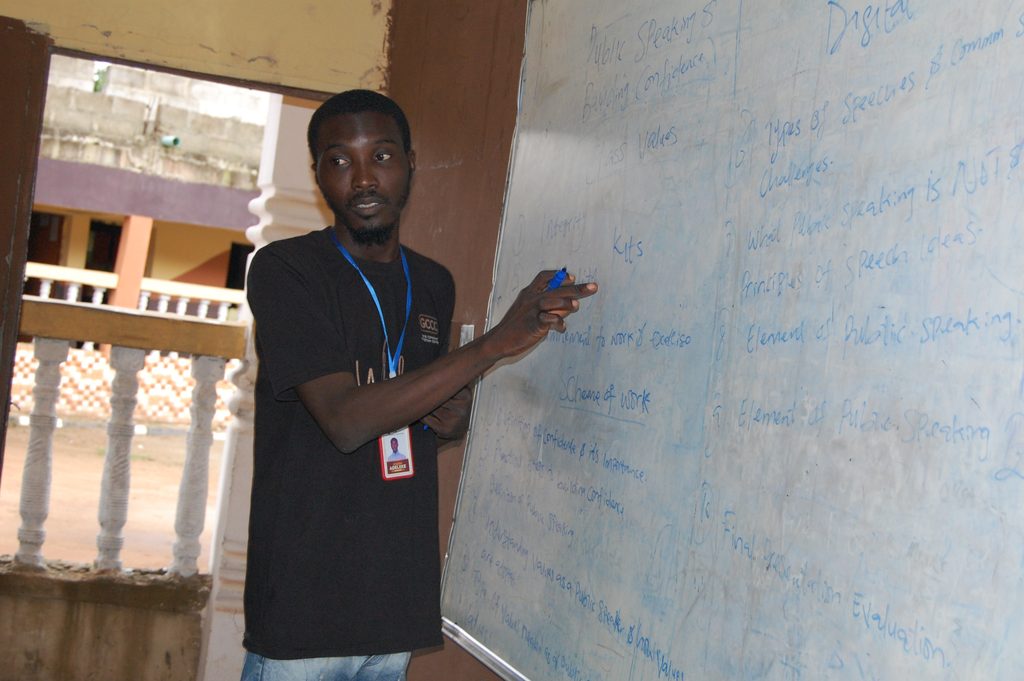
Although I ventured into teaching because I needed money, I genuinely taught with all my heart and loved the subject I taught because it was what I studied in school: English Language and Literature. It was a subject I knew how to teach even if someone woke me up in the middle of the night.
However, today, many teachers handling different subjects in schools do not have a good understanding of what they have been employed to teach. In some cases, the school owners themselves seem unconcerned about this.
Many school owners might have started their schools out of passion, but the country’s economic situation affects them too. As a result, they begin to cut corners and compromise the quality they initially set out to provide.
The problem is multifaceted.
Many Nigerian parents want quality education for their children at an affordable price. School owners need students to keep their businesses running and may be willing to employ unqualified SSCE holders to teach secondary school students. Meanwhile, unemployed people in society are willing to accept any job that can put food on their tables.
It is like a pyramid scheme, with each group responding to its own needs while the quality of education suffers.
School Owners Are Also Caught in the Problem
Sometime last week, I spoke with a very good friend who happens to be the principal of a school in Lagos. He shared how difficult it had been for them to recruit quality staff. He explained that they could not afford to compromise on the quality of the people they employed.
I asked whether the salaries they were willing to offer were as attractive as what some young corporate organizations would be willing to pay.
His answer was no, of course, because they were also looking at it from a business standpoint.
If they were not making as much money as they should, they could not afford to pay their staff more than their business could sustain.
This conversation helped me see the problem from another angle. While teachers need better pay, school owners also face financial pressures that affect their ability to attract and retain competent staff.
The question, therefore, is how we can build an education system in which schools can remain financially sustainable, teachers can earn decent salaries, and students can receive quality education.
When Earning Becomes More Important Than Teaching
Yesterday, I had a conversation with a school proprietor, and that conversation was the immediate reason I decided to write this article.
He complained about a teacher he had employed to teach Christian Religious Studies (CRS). According to him, she provided notes that were not even up to half a page and did not teach according to the approved scheme of work.
When I was in secondary school, subjects such as CRS, Biology, and Government often came with lengthy notes and detailed lessons.
I told the proprietor that the teacher was not there to teach but to earn.
Although I know it is not a crime to want to earn money, I also believe it should not be unreasonable to expect someone who has been paid to teach to do the job properly.
Teachers deserve fair compensation for their work. At the same time, students deserve teachers who are competent, prepared, and committed to helping them learn.
These two expectations should not be mutually exclusive.
What Happens If Nothing Changes?
If things continue this way, the quality of education will decline, and we risk producing more young people who leave school without the knowledge, skills, and critical thinking abilities they need to thrive.
The consequences go beyond the classroom. Education shapes how young people think, how they understand the world, and how they contribute to society. When the people responsible for providing that education are poorly equipped, inadequately compensated, or insufficiently motivated, the effects can be felt across generations.
We cannot continue to expect excellent outcomes from a system that makes it difficult for competent and passionate people to thrive.
What Needs to Change?
I believe structures need to be put in place to address this problem.
The government needs to help. Schools need to help. And those who are still interested in teaching because they genuinely love it also need to inspire young people to appreciate the value of education and consider teaching as a worthwhile career.
We need to create an environment where qualified teachers are adequately compensated, school owners can sustain their institutions without compromising educational standards, and parents can access quality education for their children at reasonable costs.
We also need to change how society presents the teaching profession to young people.
A child should not grow up believing that success means becoming a lawyer, doctor, pilot, or architect alone. A child should also be able to aspire to become a teacher, knowing that the profession is respected, rewarding, and capable of providing a decent livelihood.
Teaching should not be a profession people enter only because they cannot find anything else to do. It should be a profession that attracts people who are passionate about knowledge, equipped to teach, and supported enough to give their best.
If we want a better education system, we must begin by asking ourselves a difficult question: How can we expect teachers to give their best when the system makes it difficult for them to live well?
Until we address this question, we may continue to talk about improving education while ignoring one of the most important people responsible for making it happen: the teacher.

About the author:
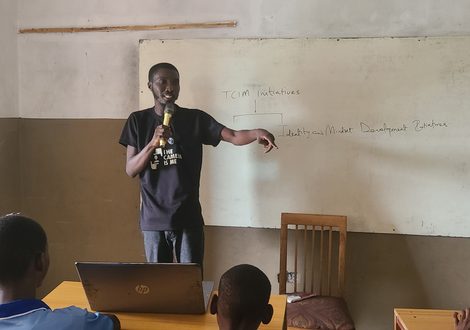
Joseph Adeleke is the founder of TCIM Initiatives, an organisation focused on teenage identity, mindset development, and youth development through its Narrative Identity Transformation Model. Read more about Joseph


- 2 weeks Ago
- 8 Min Read